
Raccoons are active in Burlington throughout the entire year, but there are certain seasons when homeowners are much more likely to notice problems. Changes in temperature, breeding cycles, food availability, and shelter needs all influence raccoon behaviour. Understanding when raccoons are most active can help homeowners identify issues early and take steps to protect their property.
In Burlington, raccoon activity tends to peak during spring and fall. These are the times when raccoons are most likely to enter attics, damage roofs, and create nesting areas inside homes. However, raccoon problems can happen in any season, especially in urban and suburban neighbourhoods where food and shelter are easy to find.
Raccoons Stay Active All Year in Ontario
Unlike some wildlife species that hibernate during winter, raccoons remain active year-round in Ontario. They may spend more time resting during periods of extreme cold, but they do not disappear for the season.
In Burlington, raccoons adapt very well to urban environments. Residential areas provide easy access to garbage, compost, pet food, and shelter. This allows them to remain active even during colder months when natural food sources become limited. Because of this, homeowners should not assume that wildlife problems only happen during warm weather. Attic intrusions and roof damage can occur at any time of year.
Spring Is the Peak Season for Attic Problems
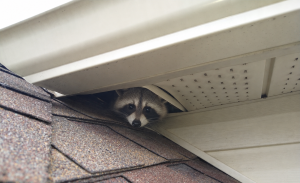
Spring is one of the busiest times of year for raccoon activity in Burlington. This is primarily due to baby season. Female raccoons begin searching for safe nesting areas in late winter and early spring. Attics are one of their preferred locations because they are warm, quiet, and protected from predators. During this time, raccoons become especially determined to gain access to homes. They may tear through soffits, roof vents, or weak roofline areas to create an entry point.
Homeowners often first notice the problem during spring because of the increase in noise. Mothers move around more frequently, and once the babies are born, chirping and squeaking sounds become common. Spring is also when many homeowners discover roof damage caused over the winter months.
Why Spring Activity Feels More Noticeable
There are several reasons raccoon activity stands out during spring. The first is that raccoons become more aggressive in their search for shelter. Pregnant females are highly motivated to find a secure den before giving birth.
The second is that attic activity increases significantly once babies arrive. The mother is constantly entering and exiting the home to find food, while the babies make noise inside the attic.
Finally, spring weather often exposes existing roof damage. Snow and ice from winter may have weakened certain areas, making it easier for raccoons to break in. This combination of increased movement and visible damage makes spring one of the busiest seasons for wildlife removal services in Burlington.
Summer Brings Growing Families and Increased Movement
Raccoon activity continues through the summer as baby raccoons grow and become more mobile. By mid to late summer, young raccoons begin exploring outside the den. Homeowners may start seeing them on roofs, fences, decks, or in backyards. This is also the time when attic damage can worsen. Growing raccoons move around more, disturb additional insulation, and create more contamination inside the attic.
Summer evenings are often when raccoon sightings are most common. They are highly active after sunset and take advantage of warm weather to search for food throughout residential areas. Even though summer is not always the season when raccoons first enter a home, it is often when the presence of a raccoon family becomes most obvious.
Fall Is Another High Activity Season
Fall is another major season for raccoon activity in Burlington. As temperatures begin to drop, raccoons start preparing for winter. They spend more time searching for food and shelter, which increases the likelihood of them targeting homes. Attics once again become highly attractive because they provide warmth and protection from cold weather.
Homeowners often notice raccoons trying to break into soffits or roof vents during fall evenings. This is especially common in neighbourhoods with mature trees and older homes.
Young raccoons born earlier in the year are also now independent and looking for their own shelter. This increases the overall raccoon population searching for places to den. Fall is one of the most important times for homeowners to inspect their roofline and address small vulnerabilities before winter arrives.
Winter Activity in Burlington
Although raccoons are less visible during winter, they are still active. During extremely cold periods, raccoons may remain inside their dens for longer stretches of time. However, they continue to leave periodically to search for food and water.
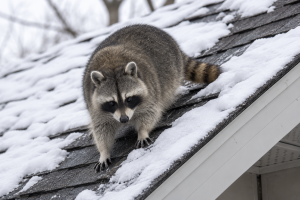
If a raccoon has already entered your attic before winter, it is likely to stay there throughout the season. The warmth of the attic provides excellent protection from snow and freezing temperatures. Winter attic infestations can sometimes go unnoticed because homeowners spend less time outdoors and raccoon movement may be less frequent. However, signs such as noises, odours, or ceiling stains may still appear. Snow can also reveal raccoon activity. Tracks on rooftops or around the home are often easy to spot after fresh snowfall.
How Weather Affects Raccoon Behaviour
Weather plays a major role in raccoon activity levels. Heavy rain and cold temperatures often push raccoons to seek shelter more aggressively. Storms can also weaken roof materials, making it easier for raccoons to access vulnerable areas. Warm winters may lead to more visible activity because raccoons spend less time resting and more time searching for food. Periods of drought can also influence behaviour by reducing natural food sources and driving raccoons closer to residential areas. Because Burlington experiences a wide range of seasonal weather conditions, raccoon behaviour can vary slightly from year to year.
Signs of Seasonal Raccoon Activity
Different seasons tend to produce different warning signs.
In spring, homeowners commonly hear movement and baby noises in the attic. Roof damage often becomes visible around soffits and vents.
During summer, raccoons are more likely to be seen outdoors on roofs, decks, or garbage bins.
Fall often brings new attempts to enter homes, especially at night. Scratching sounds along the roofline are common.
In winter, signs may include tracks in snow, occasional attic movement, or lingering odours from an existing infestation.
Recognizing these seasonal patterns can help homeowners act before the damage becomes extensive.
Why Seasonal Prevention Matters
Because raccoon activity changes throughout the year, prevention should not be limited to one season. Many homeowners wait until they hear noises in the attic before taking action. By that point, the raccoon has often already caused damage and established a nesting area.
Preventative inspections before spring and fall can identify weak spots early. Common problem areas include roof vents, soffits, fascia boards, and roof intersections. Addressing these vulnerabilities before peak activity seasons greatly reduces the risk of raccoon entry.
Professional Raccoon Removal in Every Season
Regardless of the time of year, raccoon problems should be handled quickly and professionally. Seasonal behaviour affects how removal is performed. For example, spring removals often involve mothers and babies, while fall removals may involve single adults searching for shelter.
Professional wildlife technicians understand these patterns and use methods designed for each situation. Humane removal, proper exclusion work, and long-term prevention are essential for keeping raccoons out permanently. Simply scaring a raccoon away without sealing the entry point usually leads to repeat problems.
Book Raccoon Removal with Burlington Wildlife
Raccoons are active in Burlington year-round, but spring and fall are the times when homeowners are most likely to experience attic infestations and roof damage. Knowing what to watch for can help you act early and protect your home before the problem grows.
Burlington Wildlife provides professional raccoon removal services throughout every season. Our team offers detailed inspections, humane removal, and long-term exclusion solutions designed to keep raccoons out for good. Reach out to our team to book your inspection and get expert help with raccoon removal in Burlington. Same-day service may be available.