Raccoons are a common part of life in Burlington, and as the city continues to grow, encounters between homeowners and wildlife are becoming more frequent. When raccoons enter attics, roofs, or other parts of a home, the situation needs to be handled carefully. What many homeowners don’t realize is that raccoon removal is not just about getting the animal out. It is governed by provincial laws that focus on humane treatment, safety, and environmental responsibility.
Understanding humane raccoon removal laws in Ontario is essential if you are dealing with a wildlife issue. These laws are designed to protect both homeowners and animals, ensuring that removal is done safely, legally, and ethically.
The Legal Framework for Wildlife Removal in Ontario
Raccoon removal in Burlington falls under Ontario’s Fish and Wildlife Conservation Act, 1997, along with additional provincial regulations. These laws outline what homeowners and wildlife professionals can and cannot do when dealing with nuisance wildlife.
Homeowners are allowed to take action if a raccoon is damaging their property. This can include scaring it away, capturing it, or hiring a wildlife removal professional. However, there are strict rules that must be followed. The law does not allow unrestricted trapping, relocating, or harming wildlife. Every action taken must be humane and justified by property damage or safety concerns.
Humane Treatment Is Mandatory
One of the most important aspects of Ontario wildlife law is that animals must be treated humanely at all times. This applies whether you are handling the situation yourself or hiring a professional. If a raccoon is captured, it must not be harmed or subjected to unnecessary stress. Inhumane practices, such as neglecting a trapped animal or attempting to kill it improperly, can result in serious penalties.
Ontario regulations also require that only the necessary number of animals be captured or disturbed to resolve the issue. This is why professional wildlife removal focuses on controlled, humane methods rather than aggressive or harmful approaches.
Rules Around Trapping and Relocation
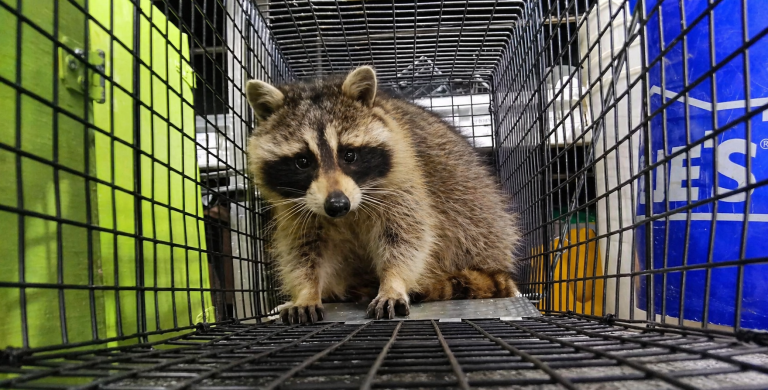
One of the biggest misconceptions homeowners have is that raccoons can simply be trapped and relocated far away. In Ontario, this is not allowed. Captured raccoons must be released within one kilometre of where they were found, and typically within a short timeframe such as 24 hours.
Relocating a raccoon beyond this distance is illegal because it disrupts the animal’s natural territory and often leads to its death. This rule is one of the main reasons why trapping alone is not an effective solution. If the entry point is not sealed, the same raccoon or another one will simply return.
Restrictions During Baby Season
Humane raccoon removal laws place special emphasis on protecting young animals. In Ontario, raccoon baby season typically runs from early spring through summer. During this time, it is illegal or heavily restricted to remove animals in a way that would separate mothers from their babies unless there is a direct health or safety risk.
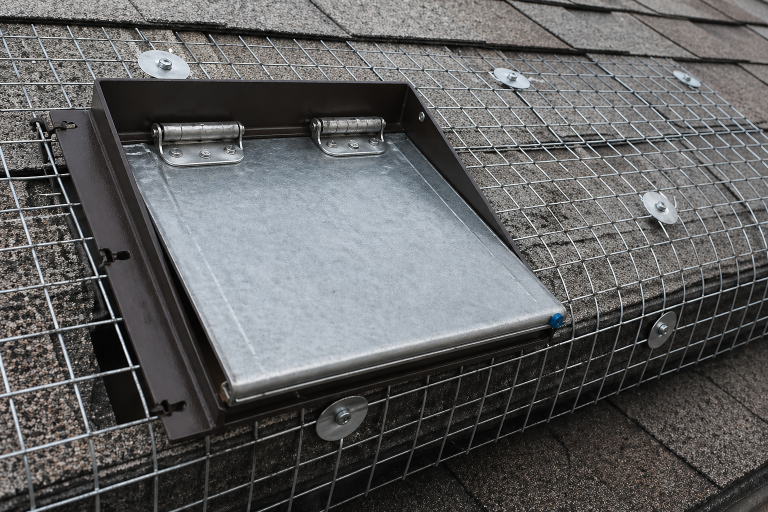
This is important because baby raccoons depend entirely on their mother. Improper removal can leave them stranded in an attic, leading to suffering and additional problems for the homeowner. Humane removal methods account for this by allowing the mother to relocate her young safely. This is often done using one-way doors combined with controlled handling of the babies.
Limits on Who Can Remove Wildlife
While homeowners are allowed to deal with nuisance wildlife, there are limits on what they can do. Certain actions, such as trapping or relocating animals, may require proper licensing or authorization.
Wildlife removal companies operate under specific guidelines. They are permitted to capture and release animals humanely but are not allowed to kill them unless they hold the appropriate licensing. In many cases, hiring a professional is the safest way to ensure compliance with Ontario laws. It also reduces the risk of mistakes that could lead to legal issues or additional damage.
Municipal Considerations in Burlington
In addition to provincial laws, municipalities like Burlington and nearby cities may have their own guidelines related to wildlife. For example, cities often discourage trapping and relocating healthy raccoons because it is not an effective or humane solution. Instead, they recommend deterrence methods or professional removal services.
Municipalities may also have bylaws related to feeding wildlife, securing garbage, and maintaining property conditions to reduce wildlife conflicts. These local rules work alongside provincial laws to encourage long-term solutions rather than temporary fixes.
Why Humane Removal Focuses on Exclusion
Because of these legal restrictions, the most effective and compliant method of raccoon removal in Burlington is exclusion. Exclusion involves identifying how the raccoon entered the home and installing a one-way door over that entry point. This allows the animal to leave safely but prevents it from coming back inside.
Once the raccoon has exited, the entry point is sealed using durable materials. This ensures the problem does not repeat. This method aligns with Ontario’s humane wildlife laws by avoiding unnecessary harm, preventing separation of families, and reducing the need for trapping.
What Happens If Laws Are Not Followed
Failing to follow humane wildlife removal laws can lead to serious consequences. These may include fines, legal action, or charges related to animal cruelty.
Improper handling can also create bigger problems inside the home. Trapping and relocating raccoons incorrectly often results in:
- The animal returning to the same location
- Additional raccoons moving into the same space
- Dead animals inside walls or attics
- Increased damage and contamination
Beyond legal risks, ignoring humane practices often leads to more expensive repairs and ongoing issues.
The Importance of Professional Wildlife Removal
Humane raccoon removal is more complex than it appears. It involves understanding animal behaviour, following provincial regulations, and ensuring the home is properly secured. Professional wildlife technicians are trained to handle these situations safely. They know how to identify entry points, determine whether babies are present, and use methods that comply with Ontario laws. They also ensure that all work is done thoroughly, reducing the chances of the problem returning. For homeowners in Burlington, this provides peace of mind that the issue is handled correctly from start to finish.
Protecting Your Home the Right Way
The goal of humane wildlife laws is not just to protect raccoons. It is to create safer, more effective solutions for homeowners as well. By following these regulations, you reduce the risk of repeat infestations, avoid legal issues, and ensure your home is properly protected.
Simple preventative steps like maintaining your roof, securing vents, and addressing small gaps early can help reduce the likelihood of raccoons entering your home in the first place. However, once raccoons are inside, the situation should be handled professionally.
Book Humane Raccoon Removal with Burlington Wildlife
If you are dealing with raccoons in your attic or around your home, it is important to act quickly and follow the proper legal process. Humane removal is not just recommended in Ontario, it is required.
Burlington Wildlife provides professional raccoon removal services that follow all provincial regulations. Our team uses safe, humane methods to remove raccoons, protect their young, and secure your home against future entry. Reach out to our team to book your inspection and get expert, fully compliant raccoon removal in Burlington.