
Squirrels may seem harmless when they are running through Burlington parks, climbing backyard trees, or gathering food around neighbourhoods. However, once a squirrel enters your attic, it can become one of the most destructive wildlife problems a homeowner can face. While many people focus on the noises squirrels create, the hidden damage they leave behind is often far more serious.
Two of the most commonly affected areas during a squirrel infestation are attic insulation and electrical wiring. These components play critical roles in your home’s comfort, efficiency, and safety. Unfortunately, squirrels frequently damage both while nesting and moving throughout the attic.
Understanding how squirrels affect insulation and wiring can help homeowners recognize the warning signs early and take action before minor problems become major repairs.
Why Squirrels Enter Attics
Attics provide everything a squirrel needs to survive and raise a family. They offer warmth during cold weather, protection from predators, and a quiet place to build a nest. Burlington’s mature trees and established residential neighbourhoods make attic infestations especially common. Squirrels can easily access rooftops by using tree branches, hydro lines, fences, and nearby structures.
Once they locate a weak point around a roof vent, soffit, fascia board, or roof intersection, they can chew their way inside and establish a nesting site. Many homeowners are unaware that squirrels have entered until the damage has already begun.
How Squirrels Damage Insulation
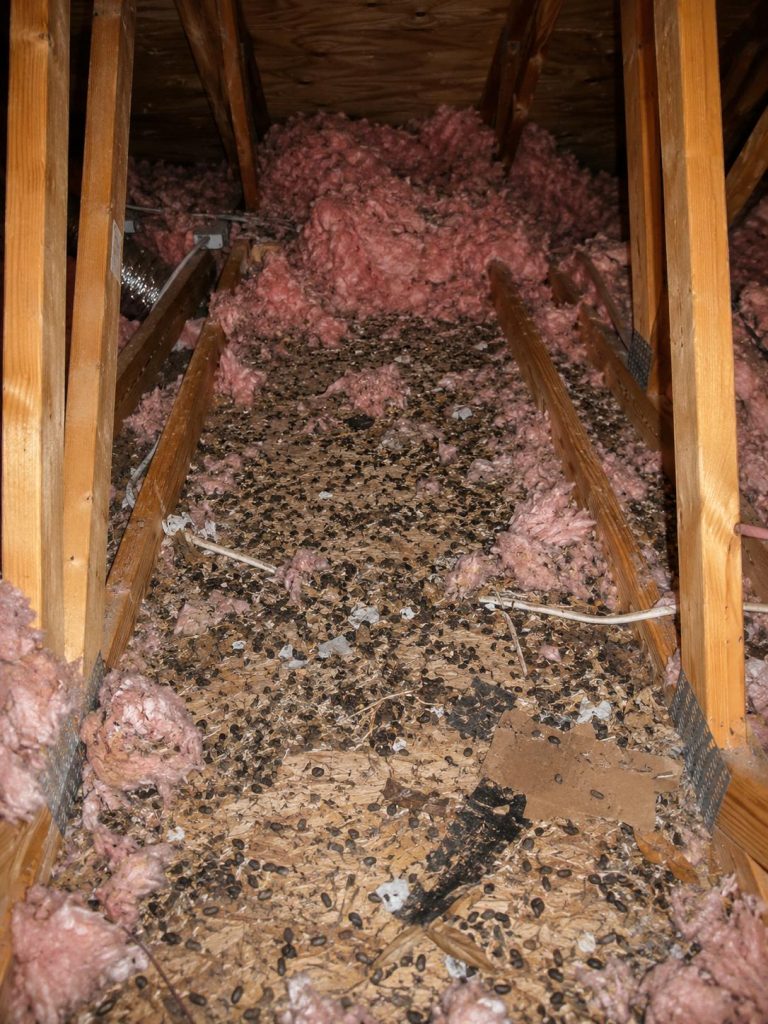
Insulation is often one of the first casualties of a squirrel infestation. As squirrels move through the attic, they create pathways across the insulation. Their constant movement compresses and flattens the material, reducing its effectiveness. Attic insulation works by trapping air and creating a thermal barrier. When it becomes compressed, it loses much of its insulating value.
Squirrels also tear apart insulation while building nests. They gather and rearrange the material to create soft, protected bedding areas for themselves and their young. In severe infestations, large sections of insulation may become completely displaced. Homeowners often discover piles of insulation pushed into corners or concentrated around nesting areas. The result is an attic that no longer performs efficiently, leading to increased heating and cooling costs throughout the year.
Nesting Behaviour Creates Additional Damage
Unlike some wildlife species that simply occupy an attic, squirrels actively modify their surroundings. A squirrel nest may contain insulation, leaves, twigs, paper, cardboard, and other materials collected from both inside and outside the home.
As the nest grows, surrounding insulation often becomes contaminated with droppings, urine, food debris, and nesting materials. Over time, this contamination can make insulation unsuitable for continued use. In many cases, heavily affected insulation must be removed and replaced after the squirrel infestation has been resolved.
Insulation Contamination Concerns
Damaged insulation is not only less effective, it can also become unsanitary. Squirrel droppings and urine accumulate in areas where squirrels spend significant amounts of time. These contaminants can create unpleasant odours and contribute to poor indoor air quality.
As temperatures change throughout the year, attic air circulates through ventilation systems and small gaps in the home’s structure. Odours originating from contaminated insulation may eventually become noticeable inside the living space. If an infestation remains untreated for an extended period, contamination levels can increase significantly. Professional wildlife removal often includes an assessment of insulation damage and recommendations for cleanup when necessary.
Why Squirrels Chew Electrical Wiring
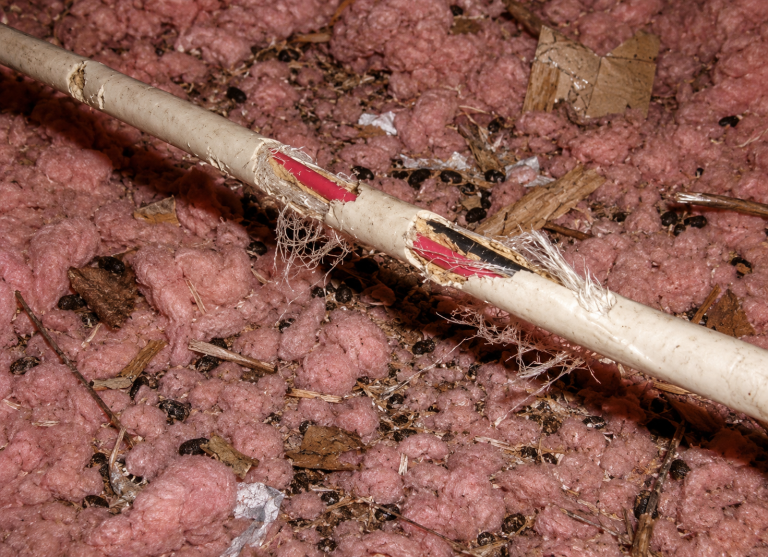
One of the most serious risks associated with squirrels in attics is electrical damage. Squirrels have teeth that grow continuously throughout their lives. To keep their teeth worn down and properly aligned, they must chew regularly. Unfortunately, electrical wiring is a common target. The plastic coating around wires often attracts chewing activity because it provides resistance similar to natural materials squirrels would encounter in the wild. As squirrels gnaw on wiring, they can strip away the protective insulation surrounding electrical conductors. Once exposed, these wires become vulnerable to short circuits and other dangerous electrical problems.
Fire Risks Associated With Chewed Wiring
Electrical wiring is designed with protective coatings for a reason. When squirrels damage these coatings, the risk of electrical arcing increases. Electrical arcing occurs when electricity jumps between exposed conductors, generating intense heat. This heat can ignite nearby insulation, wood framing, or other combustible materials within the attic. Many homeowners are unaware of the danger because the damage remains hidden behind walls and ceilings. While not every chewed wire results in a fire, the potential risk is significant enough that any suspected squirrel infestation should be addressed promptly.
Common Signs of Wiring Damage
Because wiring damage usually occurs out of sight, homeowners often overlook the warning signs. One indication may be unusual electrical problems within the home. Flickering lights, frequently tripped breakers, or outlets that suddenly stop working can sometimes be linked to damaged wiring in the attic.
In some cases, homeowners may notice a faint burning smell coming from ceilings or attic spaces. However, many infestations produce no obvious electrical symptoms until the damage becomes severe. This is one reason professional attic inspections are so important when squirrel activity is suspected.
Additional Structural Damage
Insulation and wiring are not the only areas affected by squirrels. As squirrels move through the attic, they often chew wooden beams, roof decking, vent components, and other structural materials. Their activity can create openings that allow moisture, insects, and additional wildlife to enter the home.
Over time, multiple small areas of damage can accumulate into a much larger repair project. Addressing the infestation early helps minimize these costs and prevents further deterioration of the property.
How Much Damage Can One Squirrel Cause?
Many homeowners assume that a single squirrel cannot cause substantial damage. The reality is that even one squirrel can create significant problems over time. Daily chewing, nesting, and movement throughout the attic gradually affect insulation, wiring, and structural components.
When a female squirrel gives birth in the attic, the potential for damage increases considerably. As baby squirrels grow, the amount of activity within the attic rises dramatically. A small infestation can quickly turn into a larger wildlife issue if not addressed promptly.
Seasonal Damage Patterns
Squirrel damage occurs throughout the year, but certain seasons present higher risks. During late winter and early spring, female squirrels actively search for secure nesting locations before giving birth. This often leads to increased attic entry attempts and new infestations. A second baby season typically occurs during late summer, resulting in another period of heightened activity.
Winter can also increase squirrel pressure on homes as animals seek warm shelter from cold temperatures. Because squirrels remain active year-round, homeowners should not assume the problem will disappear on its own.
Why DIY Solutions Often Fall Short
Many homeowners attempt to remove squirrels using repellents, noise devices, or by sealing entry points themselves. Unfortunately, these methods often fail to address the root cause of the problem. Repellents rarely provide long-term results, especially when squirrels have already established a nest inside the attic. Sealing an entry point without confirming all squirrels have exited can trap animals inside the structure. This may lead to additional chewing and damage as they attempt to escape. Professional wildlife removal focuses on identifying all entry points, removing the animals humanely, and preventing future access.
How Professional Squirrel Removal Protects Your Home
Professional squirrel removal begins with a thorough inspection of the roofline, attic, and exterior structure. Technicians identify active entry points, assess the extent of damage, and determine whether baby squirrels are present.
Humane one-way doors are commonly used to allow squirrels to leave while preventing re-entry. If babies are present, they are carefully removed and reunited with the mother outside the home so she can relocate them naturally.
Once all squirrels have exited, entry points are permanently sealed using wildlife-proof materials. This approach protects both the home and the animals while providing long-term results.
Preventing Future Insulation and Wiring Damage
The best protection against squirrel-related damage is prevention. Regular roof inspections can identify vulnerable soffits, roof vents, fascia boards, and other areas before squirrels exploit them. Trimming tree branches away from the roof can also reduce access opportunities.
Wildlife-proof exclusion systems provide an additional layer of protection by securing common entry points. Addressing vulnerabilities before squirrels gain access is far less expensive than repairing damaged insulation and wiring after an infestation has occurred.
Contact Burlington Wildlife for Humane Squirrel Removal
If you are hearing scratching noises in your attic, seeing squirrels on your roof, or suspect wildlife activity inside your home, it is important to act quickly before further damage occurs. Burlington Wildlife specializes in humane squirrel removal, attic inspections, wildlife exclusion, and entry-point repairs. Our experienced team can identify squirrel activity, safely remove the animals, and help protect your home from costly insulation and wiring damage.
Contact Burlington Wildlife today to schedule a professional inspection and keep your attic safe, clean, and squirrel-free.