
Squirrels are among the most common wildlife species homeowners encounter in Burlington. While many people enjoy watching squirrels in local parks and backyards, the situation changes quickly when these animals decide to move into an attic. One of the most important things homeowners should understand is when squirrels are most likely to nest inside homes and why certain times of year bring increased squirrel activity.
Knowing when squirrels nest can help Burlington homeowners identify problems early, avoid costly property damage, and take action before a small wildlife issue becomes a major infestation.
Understanding Squirrel Nesting Seasons
Many people assume squirrels only become active during the spring, but squirrels in Burlington remain active throughout the year. Unlike some wildlife species that hibernate during winter, squirrels continue searching for food, shelter, and nesting locations regardless of the season.
That said, there are two primary nesting periods each year when squirrel activity around homes increases significantly. The first nesting season occurs in late winter and early spring. Female squirrels begin searching for safe locations to give birth as temperatures start to warm. In Burlington, this often begins as early as February and continues through April.
The second nesting season typically occurs during late summer. Another group of young squirrels is born between July and September, creating a second surge in attic infestations and wildlife-related calls. During both of these periods, homes become especially attractive because they provide warmth, security, and protection from predators.
Why Attics Are Attractive to Squirrels
A squirrel searching for a nesting site wants a location that is dry, safe, and hidden from danger. Attics provide nearly ideal conditions. Inside an attic, squirrels are protected from weather, predators, and disturbances. The insulation creates a warm environment, especially during colder months. Attics also offer plenty of materials that can be used to build nests, including insulation, cardboard, paper, and stored items.
Female squirrels preparing to raise young often choose attics over outdoor nests because of the added protection they provide. Once a squirrel finds a way inside, it may return repeatedly and even raise multiple litters in the same location.
Late Winter and Early Spring Activity
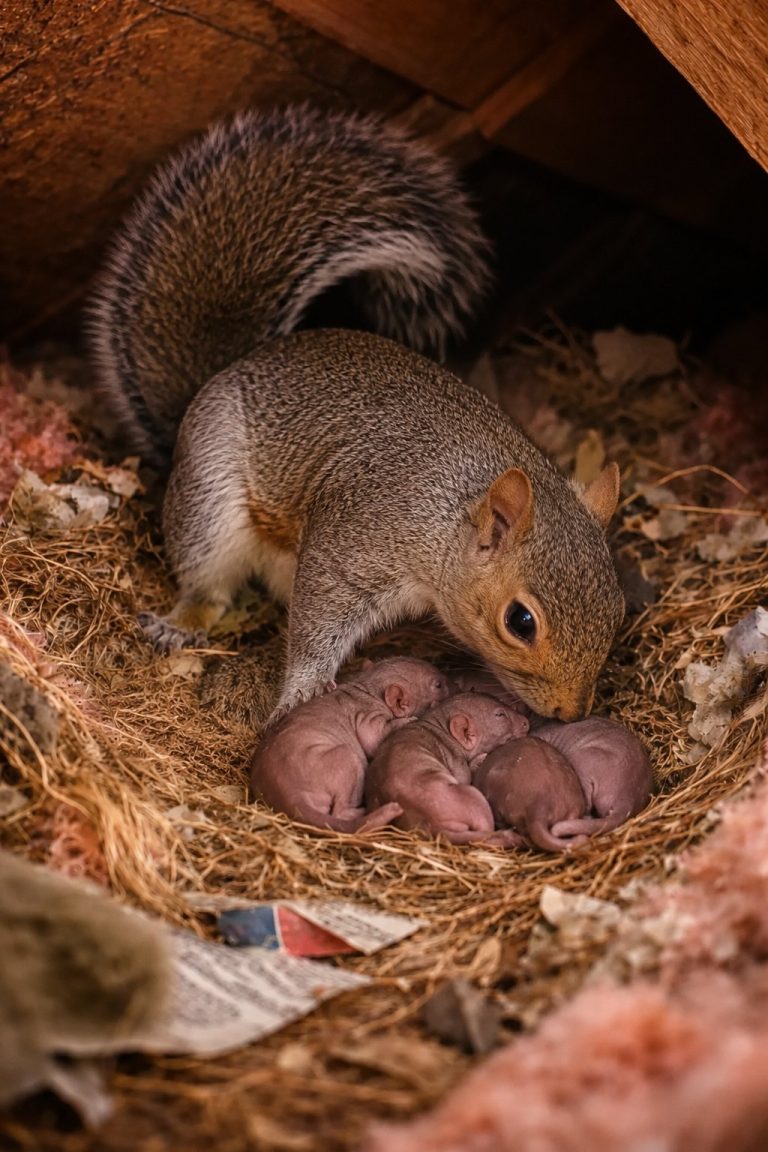
The first major squirrel nesting season catches many homeowners by surprise. As winter begins to fade, squirrels become increasingly active around rooftops, soffits, roof vents, and chimneys. Female squirrels are searching for suitable den sites before giving birth.
Homeowners often begin hearing scratching, running, and chewing noises during the early morning hours. Many people mistake these sounds for mice or assume they are hearing ice shifting on the roof. In reality, squirrels are frequently entering attics during this time.
Spring litters typically consist of two to six babies. Once born, the young remain in the attic for several weeks before becoming mobile. During this period, homeowners may hear high-pitched chirping sounds coming from ceilings or walls. These noises are often baby squirrels communicating with their mother.
Summer Nesting Season
Many homeowners believe squirrel problems disappear once spring ends. Unfortunately, squirrels commonly produce a second litter later in the year. By mid-summer, female squirrels begin preparing for another nesting cycle. This second baby season often extends from July into September. The same attic that sheltered a spring litter may be used again if entry points remain accessible.
Summer infestations often go unnoticed longer because homeowners spend more time outdoors and may not hear activity in the attic. However, squirrels remain capable of causing significant damage during these months. Chewed wiring, torn insulation, damaged soffits, and contaminated attic spaces frequently result from summer squirrel activity.
Fall Preparation and Increased Roof Activity
Although fall is not considered a primary nesting season, squirrel activity often increases around homes during autumn. As temperatures begin to drop, squirrels focus heavily on food collection and winter preparation. They spend more time exploring roofs, gutters, and nearby structures. Homeowners frequently notice squirrels running along rooflines, climbing downspouts, and investigating soffits during this time of year.
Fall is also when many squirrels revisit previous den sites to prepare for colder weather. If a home has experienced squirrel activity before, autumn is an excellent time to schedule an inspection and address any vulnerabilities before winter arrives.
Winter Squirrel Activity
Unlike some wildlife species, squirrels remain active during winter. They may spend more time resting during extremely cold weather, but they do not hibernate. A squirrel that has already established a den inside an attic often remains there throughout winter. The warmth provided by the home makes attic spaces particularly attractive during freezing temperatures.
Homeowners may hear activity during sunny winter days when squirrels become more active and move throughout the attic. Winter is also a time when squirrels may expand existing entry points, creating larger openings in soffits, roof vents, and fascia boards.
Signs Squirrels Are Nesting in Your Attic
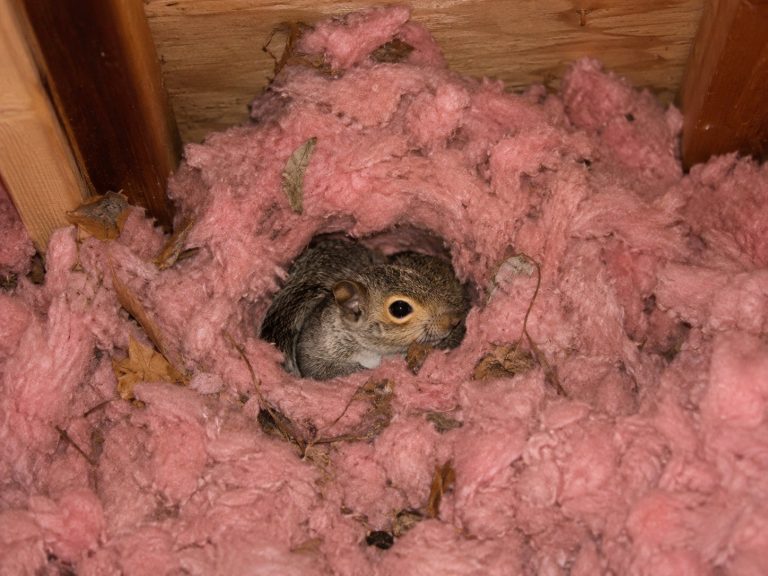
The timing of squirrel activity can provide important clues, but homeowners should also recognize the physical signs of an infestation. Noises are often the first indication. Squirrels are active during daylight hours, unlike many other wildlife species. Scratching, running, and chewing sounds are commonly heard shortly after sunrise and before sunset.
Exterior damage is another major warning sign. Squirrels frequently chew openings into soffits, roof vents, and roof edges. Inside the attic, disturbed insulation, nesting materials, droppings, and chewed wiring may all indicate squirrel activity. Some homeowners also notice strong odours developing over time as droppings and nesting materials accumulate.
Why Nesting Squirrels Cause Damage
Many homeowners underestimate the amount of damage squirrels can create. A nesting squirrel does more than simply occupy space. Squirrels often tear apart insulation to build nests. This reduces the insulation’s effectiveness and can increase heating and cooling costs.
Electrical wiring is another common target. Because squirrel teeth continuously grow, they must chew regularly to keep them worn down. Wiring often becomes damaged during this process. Chewed electrical wires create potential fire hazards and may require costly repairs. Wood framing, stored belongings, ductwork, and attic ventilation systems can also suffer damage when squirrels remain inside a home for an extended period.
The Importance of Timing During Baby Season
One of the most important reasons to understand squirrel nesting seasons is that removal methods must be adjusted when babies are present. During spring and summer nesting periods, there is a strong possibility that baby squirrels are inside the attic.
Simply sealing an entry point without checking for young squirrels can create serious problems. Babies trapped inside may become separated from their mother, leading to welfare concerns and unpleasant odours if they cannot survive. Professional wildlife removal companies use methods designed to account for nesting seasons. This allows mothers and babies to be handled safely and humanely while preventing future access to the home.
How Burlington Homes Become Vulnerable
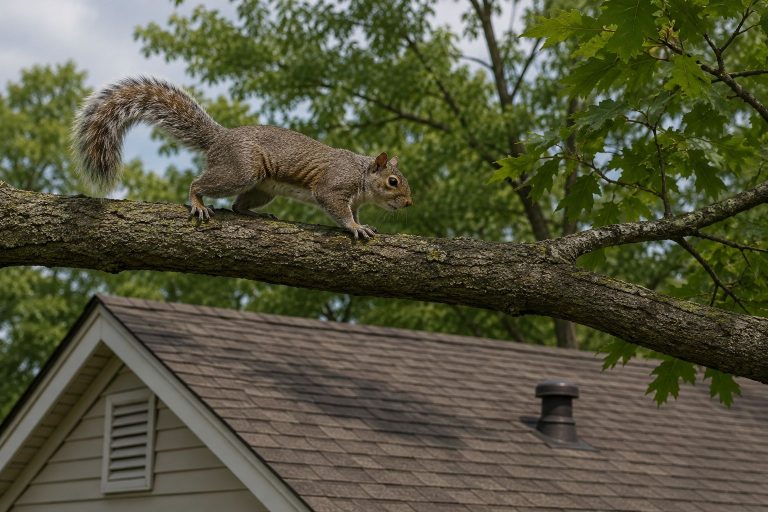
Many Burlington neighbourhoods feature mature trees that provide excellent access to rooftops. Tree branches hanging over roofs act as natural bridges for squirrels. Once on the roof, squirrels inspect vulnerable areas such as soffits, roof vents, plumbing stacks, and construction gaps.
Older homes may be especially susceptible due to aging building materials. Even newer homes can develop vulnerabilities as weather, moisture, and seasonal expansion affect exterior components. Regular inspections can identify these weaknesses before squirrels take advantage of them.
Preventing Squirrel Nesting Problems
Prevention is often far easier than dealing with an active infestation. Keeping tree branches trimmed away from the roof can reduce access opportunities. Damaged soffits, roof vents, and fascia boards should be repaired promptly.
Wildlife-proof screening installed over vulnerable openings can help prevent squirrels from entering while maintaining proper ventilation. Routine roof inspections are particularly valuable before spring and summer nesting seasons begin. Addressing small issues early often prevents expensive wildlife problems later.
Professional Squirrel Removal in Burlington
When squirrels establish a nest inside an attic, professional removal is usually the safest and most effective solution. A trained wildlife technician can identify entry points, determine whether babies are present, assess damage, and implement humane removal strategies.
Proper exclusion work ensures squirrels cannot simply return after being removed. Without permanent repairs, the same animals or new squirrels often re-enter through existing openings.
Contact Burlington Wildlife Today
If you are hearing scratching noises in your attic, noticing squirrels on your roof, or seeing signs of damage around your soffits and roof vents, don’t wait for the problem to worsen. Burlington Wildlife specializes in humane squirrel removal, attic inspections, baby squirrel removal, wildlife-proof repairs, and long-term prevention solutions. Our team understands the nesting habits of squirrels in Burlington and can safely remove them while protecting your home from future infestations.
Contact Burlington Wildlife to schedule an inspection and keep your attic squirrel-free year-round.