
Hearing strange noises coming from above your ceiling can be unsettling. For many homeowners in Burlington, those sounds are often caused by squirrels that have found their way into the attic. While squirrels may appear harmless when they are running through trees or across fences, they can cause significant damage once they gain access to your home.
Recognizing the early signs of squirrels in your attic is important because the longer they remain inside, the greater the potential for damage. From chewing electrical wires to destroying insulation, squirrel infestations can become expensive if not addressed quickly.
This guide explains the most common signs of squirrels in your attic, why they choose Burlington homes, and what homeowners should do if they suspect an infestation.
Why Squirrels Enter Attics
Attics provide everything a squirrel needs to survive and raise a family. They offer warmth, protection from predators, and shelter from rain, snow, and extreme temperatures. Burlington’s mature neighbourhoods and abundance of large trees make attic infestations especially common. Squirrels often use tree branches, fences, and hydro lines to access rooftops. Once on the roof, they search for vulnerable areas such as roof vents, soffits, fascia boards, and construction gaps.
Female squirrels are particularly motivated to enter attics during baby season, when they are looking for safe nesting locations. Because squirrels are highly adaptable animals, they can take advantage of even small weaknesses in a home’s exterior.
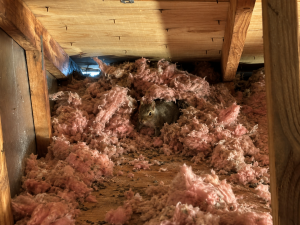
Scratching and Running Noises
One of the earliest and most obvious signs of squirrels in an attic is noise. Unlike raccoons, which are usually active overnight, squirrels are primarily active during daylight hours. Homeowners often hear scratching, scurrying, or running sounds shortly after sunrise and again during the late afternoon.
The sounds may seem surprisingly loud because squirrels move quickly across attic floors, rafters, and insulation. Many people describe hearing what sounds like small animals racing back and forth above their ceiling. If the noises are occurring consistently during the daytime, squirrels are a likely culprit.
Chewing Sounds
Squirrels have teeth that continuously grow throughout their lives. To keep their teeth from becoming too long, they constantly chew on various materials. As a result, homeowners with squirrel infestations often hear gnawing sounds coming from the attic. These sounds may resemble scraping or repetitive chewing.
This behaviour is more than just an annoyance. Squirrels frequently chew wood, plastic, insulation, and even electrical wiring. Damaged wiring can create a serious fire hazard if left untreated. Hearing regular chewing noises from the attic is a strong indication that squirrels may be present.
Visible Roof Damage
Many squirrel infestations can be identified from outside the home. Squirrels commonly create or enlarge openings around:
- Roof vents
- Soffits
- Fascia boards
- Roof intersections
- Dormers
You may notice holes, torn materials, displaced vent covers, or chewed wood around these areas. In Burlington, damaged soffits are one of the most common signs of squirrel activity. Squirrels often chew through soffit panels to access the attic. If you regularly see squirrels on your roof and notice visible damage near the roofline, an attic inspection is recommended.
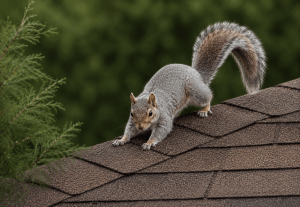
Squirrels Frequently Seen on the Roof
Seeing a squirrel on your roof occasionally is not necessarily cause for concern. However, repeated sightings in the same area may indicate an active infestation. Homeowners often notice squirrels climbing onto the roof and disappearing behind soffits or entering openings near vents.
If a squirrel repeatedly travels to the same location on the roof of your home, there is a good chance it is using that area as an entry point. Observing squirrel behaviour around your roof can provide valuable clues about whether they have gained access to the attic.
Insulation Damage
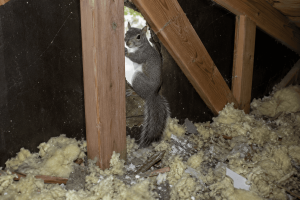
Attic insulation is commonly affected when squirrels move in. Squirrels use insulation to create nests and pathways throughout the attic. Over time, this can flatten or destroy large sections of insulation. Damaged insulation loses much of its effectiveness, making it harder to regulate indoor temperatures. This often leads to increased heating and cooling costs.
Homeowners who inspect their attic may notice disturbed insulation, tunnels running through insulation, or nesting materials gathered in one area. These signs often indicate that squirrels have been present for an extended period.
Droppings and Odours
Like any wildlife infestation, squirrels leave behind waste. Droppings may be found near nesting areas or along frequently used travel routes in the attic. While squirrel droppings are generally smaller than raccoon droppings, they can still contribute to contamination and unpleasant odours.
As waste accumulates, homeowners may begin noticing musty or foul smells coming from the attic. Strong odours often indicate a larger or longer-term infestation and should be investigated promptly.
Baby Squirrel Noises
During spring and late summer, female squirrels often raise their young inside attics. If baby squirrels are present, homeowners may hear additional sounds beyond the typical scratching and running. Young squirrels often produce chirping, squeaking, or high-pitched cries.
These sounds are usually concentrated in one area of the attic and may become more noticeable when the mother leaves to search for food. Baby squirrel season requires special consideration because humane removal methods must account for the entire family.
Nesting Materials
Squirrels build nests using whatever materials are available. Inside attics, they may collect insulation, leaves, paper, cardboard, and other debris to create a secure nesting area.
Finding a concentrated pile of nesting material is often a clear sign that squirrels have established residence. Nests are typically located in quieter corners of the attic where the animals feel protected from disturbance.
Increased Energy Bills
While not always obvious, rising utility costs can sometimes be linked to squirrel activity. Damaged insulation reduces the attic’s ability to regulate temperature. This forces heating and cooling systems to work harder throughout the year. If you have noticed unexplained increases in your energy bills along with other signs of squirrel activity, attic damage may be contributing to the problem.
Why Early Detection Matters
The sooner a squirrel infestation is identified, the easier it is to resolve. A single squirrel can quickly turn into a larger problem if babies are born in the attic. Ongoing chewing, nesting, and contamination can lead to extensive damage over time.
Early intervention often means lower repair costs and a simpler removal process. Ignoring the signs rarely causes the problem to disappear. In most cases, squirrel activity becomes more severe as time passes.
How Professional Squirrel Removal Works
Professional squirrel removal begins with a comprehensive inspection of the property. Wildlife technicians identify entry points, determine whether babies are present, and assess the extent of any damage. Humane removal methods typically involve the use of one-way doors that allow squirrels to exit while preventing them from returning.
If young squirrels are present, they are carefully removed and reunited with the mother outside the home so she can relocate them naturally. After removal is complete, entry points are permanently sealed using wildlife-proof materials designed to prevent future infestations.
Protecting Your Home from Future Squirrel Problems
Prevention is an important part of long-term squirrel control. Regular inspections of roof vents, soffits, fascia boards, and rooflines can help identify vulnerabilities before squirrels take advantage of them. Trimming tree branches away from the roof also reduces easy access routes.
Professional wildlife exclusion provides the most reliable protection by reinforcing the areas squirrels commonly target. A properly protected home is far less likely to experience recurring squirrel infestations.
Contact Burlington Wildlife for Professional Squirrel Removal
If you are hearing scratching noises in your attic, noticing roof damage, or seeing squirrels entering your home, it is important to act quickly. Early intervention can prevent costly repairs and help protect your home from further damage.
Burlington Wildlife specializes in humane squirrel removal, attic inspections, and long-term wildlife exclusion services. Our experienced team can safely remove squirrels and help ensure they do not return. Contact Burlington Wildlife to schedule a professional inspection and protect your home from squirrel damage.