
Squirrels are among the most common wildlife animals found inside Burlington homes. While many homeowners enjoy seeing squirrels in their yards and local parks, the situation changes quickly when one finds its way into an attic. Once inside, squirrels can damage insulation, chew electrical wiring, contaminate attic spaces, and create costly repair issues.
Many homeowners are surprised to learn just how skilled squirrels are at accessing roofs and entering homes. Their climbing abilities, strong teeth, and persistence make them highly effective at finding weak points around a property’s exterior.
Understanding how squirrels enter roofs and soffits can help Burlington homeowners identify potential vulnerabilities before a minor issue becomes a major infestation.
Why Squirrels Target Homes
Squirrels enter homes for one simple reason: shelter. An attic provides a safe, warm, and dry environment where squirrels can escape predators and harsh weather conditions. It also serves as an ideal nesting location during breeding seasons.
Burlington’s mature neighbourhoods feature large trees, established landscaping, and plenty of food sources. These conditions create an ideal environment for squirrel populations to thrive. As squirrel numbers increase, so does the likelihood that they will begin exploring nearby homes for potential nesting sites. Unlike some wildlife species that only seek shelter during winter, squirrels may enter attics throughout the year.
How Squirrels Reach Your Roof
Many homeowners assume their roof is difficult for wildlife to access. For squirrels, reaching the roof is often the easiest part. Tree branches are one of the most common access routes. Squirrels can leap several feet horizontally and climb with remarkable agility. Overhanging branches that appear harmless may provide direct access to your roofline.
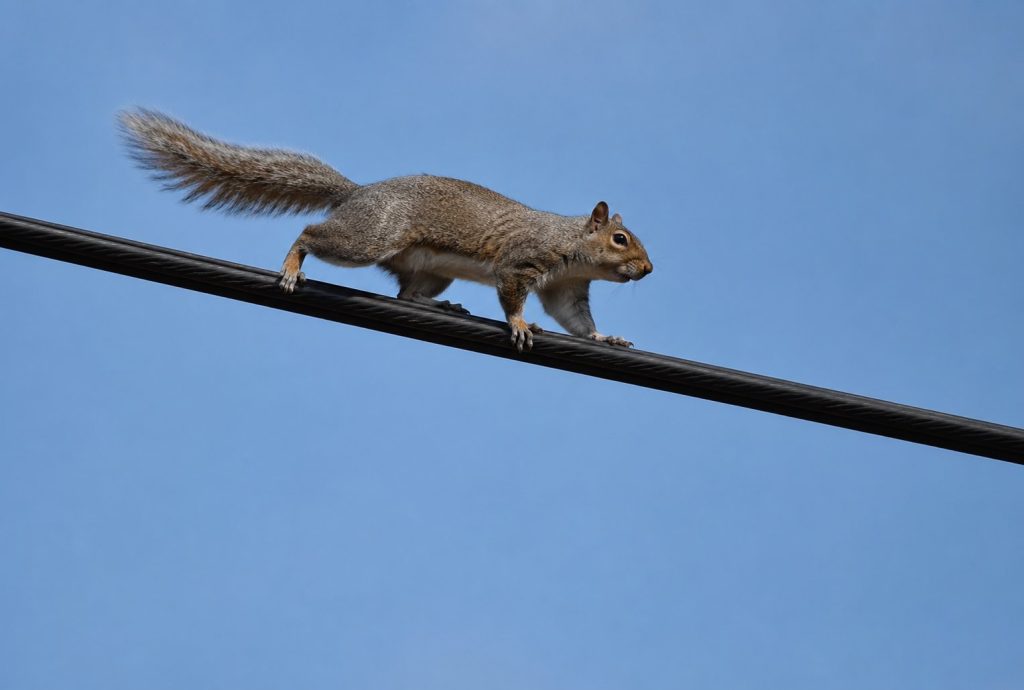
Hydro lines, cable wires, fences, pergolas, and nearby structures can also act as bridges. Squirrels frequently travel along these routes before jumping onto rooftops. Once on the roof, squirrels begin searching for vulnerable areas where they can gain entry.
Damaged Soffits
One of the most common entry points for squirrels is the soffit. The soffit is located beneath the roof overhang and helps ventilate the attic while protecting the roof structure. Many soffits are made from aluminum, vinyl, or thin wood materials that can be vulnerable to wildlife damage.
Squirrels often target corners where rooflines intersect. These areas provide leverage and may already contain small gaps caused by age, weather, or construction settling. Using their sharp teeth, squirrels can enlarge tiny openings until they are large enough to squeeze through. Once access is gained, they can enter the attic space above. In Burlington, damaged soffits are among the most frequently observed signs of squirrel activity.
Roof Vent Damage
Roof vents are designed to allow airflow while protecting the attic from weather and wildlife. Unfortunately, many vent covers are not designed to withstand repeated squirrel activity. Plastic vent covers are especially vulnerable. Squirrels may chew through plastic components or pull apart weakened sections to gain access.
Even metal vents can become compromised if they have loose fasteners, corrosion, or damaged screening. Homeowners often discover squirrel infestations after noticing roof vents that appear bent, chewed, or partially detached.
Gable Vent Openings
Gable vents are another common entry point. These vents are typically located near the peak of a home’s exterior walls and provide attic ventilation. Older homes may have wooden or lightweight vent coverings that can deteriorate over time.
Squirrels frequently exploit damaged screens or chew through wooden vent materials to create an entry point. Because gable vents are often elevated and difficult to inspect from the ground, damage may go unnoticed until squirrels have already established themselves inside the attic.
Construction Gaps and Building Deficiencies
Squirrels are surprisingly capable of squeezing through small openings. Many homes contain minor construction gaps around rooflines, trim boards, dormers, and architectural features. While these gaps may seem insignificant, squirrels view them as opportunities. Once they identify a weakness, they often chew and enlarge the opening. Over time, a gap that originally appeared harmless can become a primary entry point into the attic. Professional wildlife inspections often reveal vulnerabilities that homeowners may never notice from ground level.
Fascia Board Damage
The fascia board runs along the edge of the roof and supports the gutter system. Exposure to moisture can cause fascia boards to weaken or rot over time. Squirrels frequently target these compromised areas because the wood is easier to chew and remove.
Once a squirrel creates an opening behind the fascia, it may gain direct access to attic cavities. Regular roof maintenance can help identify deteriorating fascia before wildlife exploits it.
Chimney and Roof Intersections
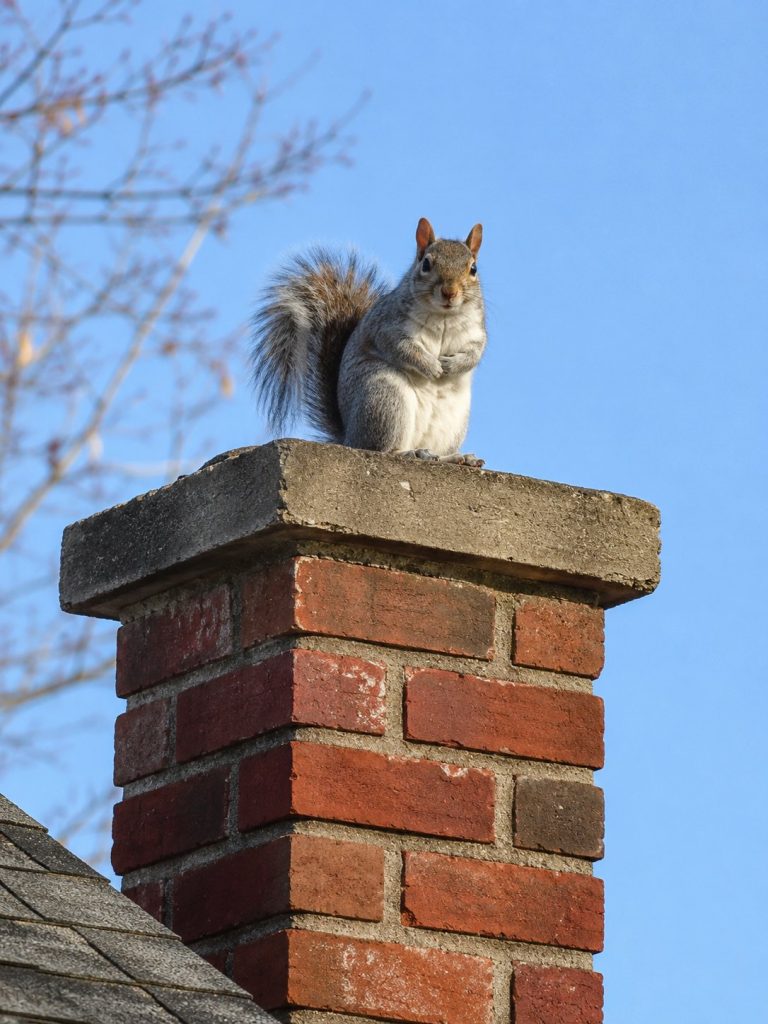
Complex roof designs often create hidden areas where squirrels can access a home. Chimneys, dormers, valleys, and roof intersections contain multiple joints and seams. These areas experience greater exposure to weather and are more likely to develop gaps over time.
Squirrels naturally investigate these protected spaces because they provide cover and opportunities for entry. Many attic infestations begin in roof areas that homeowners rarely inspect.
Why Squirrels Continue Returning
One of the challenges of squirrel removal is that squirrels remember successful nesting locations. If an entry point remains unsealed after removal, squirrels often attempt to return. Even if the original squirrel does not come back, other squirrels may discover and use the same opening.
Attics that have previously housed squirrels are particularly attractive because they already contain nesting materials and established scent trails. This is why proper exclusion work is just as important as the removal itself.
Signs Squirrels Have Entered Through the Roof
Many homeowners first notice squirrel activity through sounds coming from above the ceiling. Daytime scratching, running, and chewing noises are common indicators. Since squirrels are active during daylight hours, attic noises are often most noticeable early in the morning and late in the afternoon.
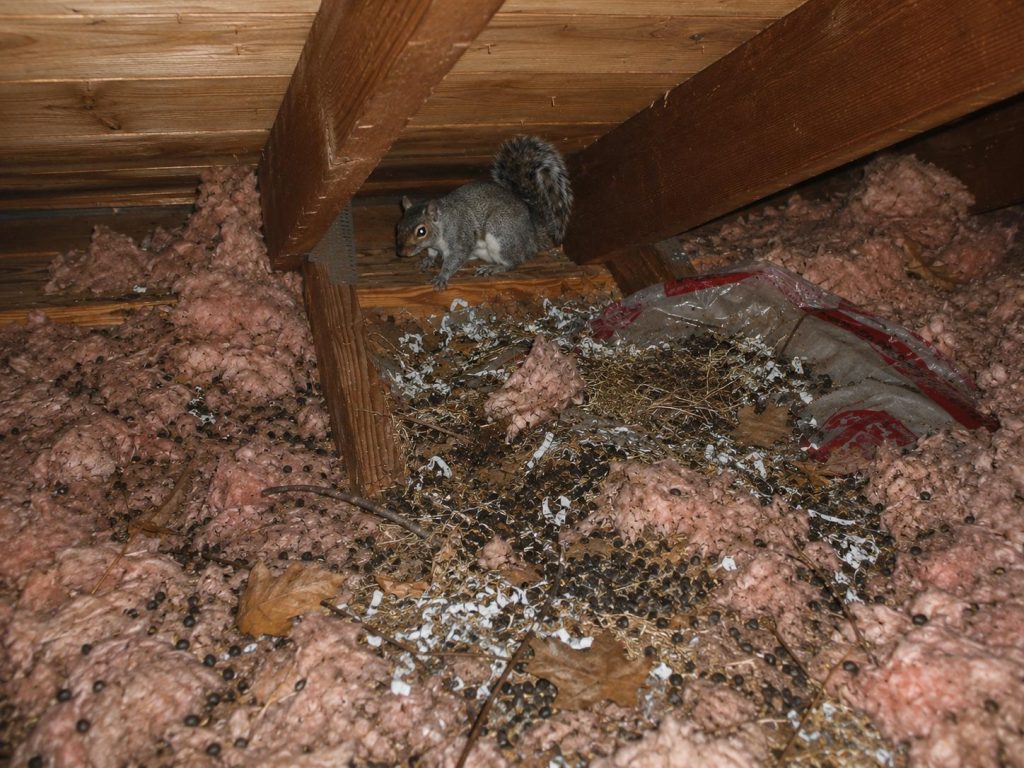
Outside the home, visible roof damage may become apparent. Homeowners may notice lifted shingles, damaged soffits, bent vent covers, or fresh chewing marks. Inside the attic, disturbed insulation, nesting materials, droppings, and evidence of chewing are all common signs of an infestation. The sooner these warning signs are addressed, the less damage squirrels are likely to cause.
The Damage Squirrels Can Cause
Many people underestimate how destructive squirrels can be once inside an attic. Insulation is often torn apart and compressed as squirrels create nesting areas and travel routes. This reduces the insulation’s effectiveness and can increase energy costs. Electrical wiring presents another serious concern. Squirrels constantly chew to wear down their teeth, and wiring is a common target. Damaged electrical systems can create fire hazards. Wood framing, stored belongings, ductwork, and vent systems may also be affected over time. A small squirrel problem can quickly become a costly repair project if left unresolved.
How Professional Squirrel Removal Works
Professional squirrel removal focuses on both removal and prevention. Professional wildlife technicians begin by conducting a thorough inspection of the property. This allows them to identify all entry points, determine whether baby squirrels are present, and assess any damage.
Humane one-way doors are typically installed over active entry points. These devices allow squirrels to leave but prevent them from re-entering. Once all squirrels have exited, technicians permanently seal vulnerable areas using durable wildlife-proof materials. This process removes the current infestation while helping prevent future problems.
Protecting Your Burlington Home
The best way to prevent squirrel infestations is through proactive maintenance and wildlife-proofing. Regular roof inspections can identify damaged vents, loose soffits, deteriorating fascia boards, and other vulnerabilities before squirrels discover them. Trimming tree branches away from the roof can also reduce access opportunities.
However, because many entry points are difficult to identify from the ground, professional inspections often provide the most effective protection. Wildlife exclusion systems are specifically designed to withstand squirrel activity and provide long-term results.
Contact Burlington Wildlife for Humane Squirrel Removal
If you have noticed squirrels on your roof, heard scratching sounds in your attic, or discovered damage around your soffits or vents, it is important to act quickly before the problem worsens. Burlington Wildlife specializes in humane squirrel removal, attic inspections, roof entry-point repairs, and long-term wildlife exclusion. Our experienced team can safely remove squirrels from your home and help ensure they do not return.
Contact Burlington Wildlife today to schedule an inspection and protect your home from squirrel damage.