
Raccoons are one of the most persistent and resourceful wildlife animals found in Burlington. If you’ve ever heard heavy footsteps in your attic or discovered damage along your roofline, there’s a good chance a raccoon has already found its way inside. For many homeowners, the biggest question is not just how to remove them, but how they got in to begin with.
Understanding how raccoons enter homes is key to preventing future problems. These animals are strong, intelligent, and extremely adaptable. In a city like Burlington, where residential areas blend with green spaces, raccoons have learned how to take advantage of common structural weak points in homes.
Why Burlington Homes Are Targeted by Raccoons
Burlington provides an ideal environment for raccoons to thrive. There is a steady supply of food from garbage bins, compost, and outdoor pet food. At the same time, homes offer warm and protected shelter, especially during colder months and breeding season.
Attics are particularly attractive. They provide a quiet space where raccoons can nest, raise their young, and stay safe from predators. Once a raccoon identifies a home as a potential shelter, it will often return repeatedly until it gains access.
Older homes in Burlington can be especially vulnerable due to aging materials, worn rooflines, and small gaps that develop over time. However, even newer homes are not immune if proper protection is not in place.
Rooflines Are the Most Common Entry Point
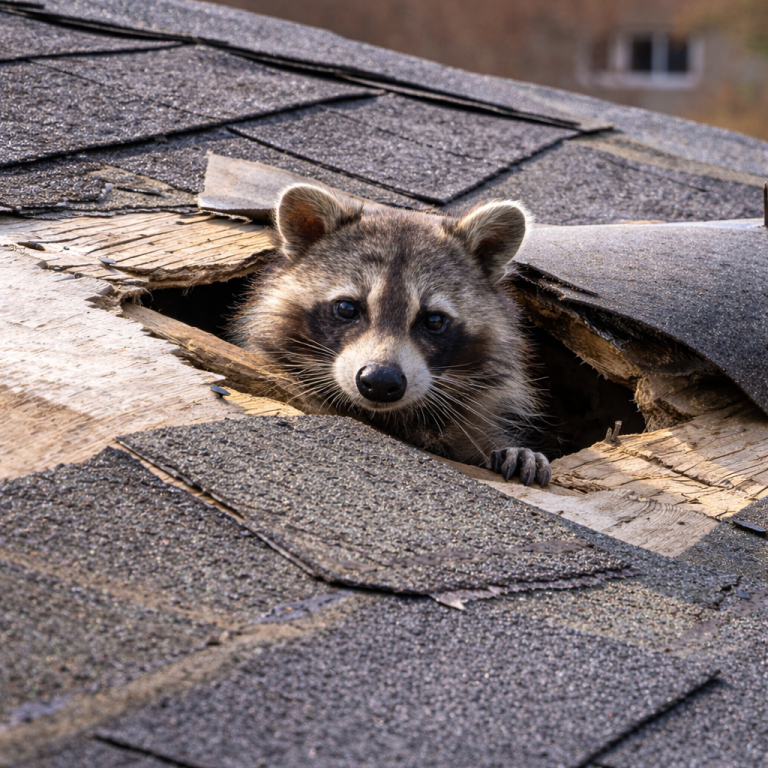
The majority of raccoon entries occur at the roof level. Raccoons are excellent climbers and can easily scale brick, siding, and downspouts to reach your roof.
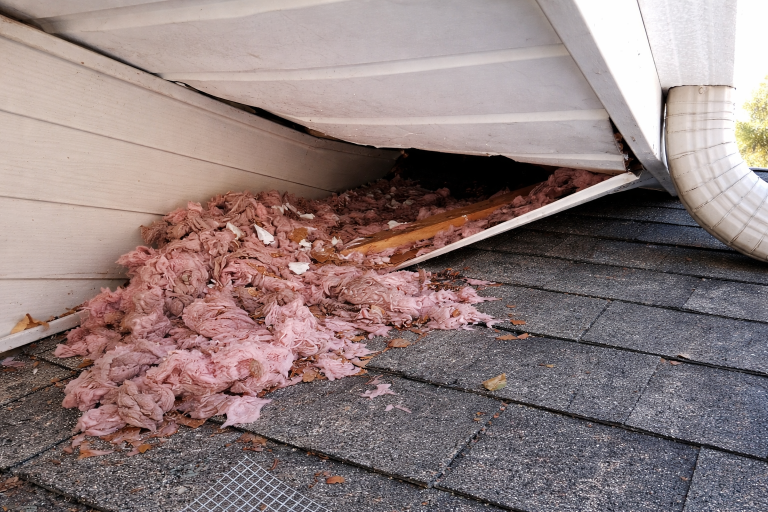
Once there, they begin searching for weak areas. Roof vents are a common target. These are often covered by lightweight materials that raccoons can bend or tear open. Soffits, which cover the underside of your roof overhang, are another frequent entry point. If they are loose or weakened, raccoons can pull them apart to create an opening.
Shingles and roof edges are also vulnerable. Raccoons can lift shingles and chew through wood to expand small gaps into larger entry holes. These openings may not be visible from the ground, which is why many homeowners do not notice the problem until it is already well underway.
Soffits and Fascia Are Easy Targets
Soffits and fascia boards are designed to protect your roof, but they can become weak points over time. Moisture, weather exposure, and aging materials can cause these areas to deteriorate.
Raccoons take advantage of this. They often test multiple spots along the roofline, applying pressure until they find a section that gives. Once they create an opening, they will continue to use it as their primary entry point. Homes with previous repairs in these areas may be at higher risk if the materials used were not reinforced properly. Raccoons are known to return to previously used entry points, even months or years later.
Chimneys and Roof Vents
Chimneys are another common way raccoons get into homes. An uncapped chimney essentially acts as an open invitation. Raccoons can climb down into the chimney and access the home through the fireplace or connected spaces.
Roof vents, especially those made of plastic or thin metal, are easy for raccoons to damage. Once broken, these vents provide direct access into the attic. These types of entry points are particularly dangerous because they often go unnoticed until significant damage has occurred.
Gaps Along the Roof and Siding
Even small gaps can be enough for a raccoon to start working its way in. Areas where different parts of the home meet, such as roof intersections or where siding meets the roofline, are common problem spots.
Raccoons have strong front paws and can manipulate materials to widen these openings. What starts as a small gap can quickly become a full entry hole. Homes that have not been inspected regularly may develop these gaps over time without the homeowner realizing it.
Decks, Sheds, and Ground-Level Entry Points
While attic access is the most common issue, raccoons do not always enter from above. They can also make their way under decks, sheds, and porches.
These areas provide sheltered spaces where raccoons can dig and create dens. From there, they may eventually explore the rest of the home or remain under the structure, causing damage and odour issues.
Ground-level entry points are often overlooked, especially if they are not easily visible. However, they can be just as problematic as attic infestations.
How Raccoons Find These Entry Points
Raccoons are highly intelligent and curious animals. They spend time exploring their surroundings, especially at night. When they find a potential shelter, they test it repeatedly.
They use their sense of touch and smell to identify weak spots. If they detect warmth coming from an attic or air movement through a gap, they are more likely to investigate further.
Once a raccoon has successfully entered a home, it leaves behind scent markers. These scents can attract other raccoons, increasing the likelihood of future infestations if the problem is not fully resolved.
Why Raccoons Keep Coming Back
One of the biggest challenges with raccoons is their persistence. If they have entered a home once, they often try to return to the same location.
This is especially true if the entry point was not properly sealed or reinforced. Temporary fixes may block access for a short time, but raccoons will continue to test the area until they find a way back in.
This is why proper exclusion work is essential. Simply removing the animal does not solve the problem if the entry point remains vulnerable.
Preventing Raccoons from Getting In
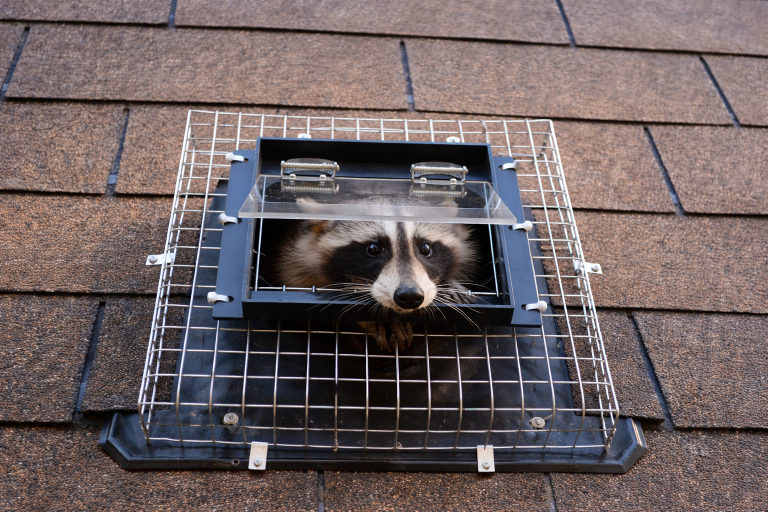
Preventing raccoon entry starts with identifying and securing vulnerable areas of your home. Regular inspections of your roofline, vents, and soffits can help catch issues early. Tree branches that hang close to the roof should be trimmed back to limit access. Garbage should be stored in secure containers to avoid attracting wildlife in the first place. However, once raccoons have already entered your home, prevention alone is not enough. The entry points must be professionally sealed to ensure the problem does not return.
Why Professional Removal Matters
Raccoon removal is not just about getting the animal out. It involves understanding how it got in, ensuring all animals are safely removed, and securing the home against future entry.
In Burlington, wildlife removal must be done humanely and in accordance with Ontario regulations. This is especially important during baby season when improper handling can lead to additional complications.
Professional wildlife technicians have the experience and tools needed to locate all entry points, not just the obvious ones. They also use durable materials designed to withstand raccoon activity. Without proper removal and exclusion, raccoons will continue to be a recurring problem.
Book Raccoon Removal with Burlington Wildlife
If you are dealing with raccoons or suspect they may have entered your home, it is important to act quickly. The longer they remain inside, the more damage they can cause.
Burlington Wildlife provides professional raccoon removal services designed to address the problem at its source. From detailed inspections to humane removal and long-term exclusion, our team ensures your home is fully protected.
Reach out to Burlington Wildlife to book your inspection and get expert help with raccoon removal in Burlington. Same-day service may be available.