
Squirrels are a familiar sight throughout Burlington. They race along fences, leap between tree branches, and search for food in neighbourhood parks and backyards. While they are an important part of Ontario’s ecosystem, squirrels can quickly become a serious problem when they move into an attic, roof, or wall cavity.
Homeowners often wonder what the safest way is to remove squirrels from their homes. Many assume trapping is the standard solution, while others consider trying to scare the animals away themselves. In reality, the most effective and responsible approach is humane squirrel removal that protects both the animals and your home.
Understanding how humane squirrel removal works in Ontario can help homeowners make informed decisions while avoiding unnecessary damage, safety risks, and repeated infestations.
Why Humane Squirrel Removal Matters
Squirrels are protected under Ontario wildlife regulations, which promote humane treatment of wildlife whenever conflicts occur. Unlike pests such as insects, squirrels are wild mammals that play an important role in forests and urban ecosystems. The goal of professional wildlife control is not to harm them but to safely encourage them to leave while preventing them from returning.
Humane removal methods also produce better long-term results. Simply trapping or relocating a squirrel often fails to solve the real problem because another squirrel may quickly move into the same opening if repairs are not completed. Professional squirrel removal focuses on solving the cause of the infestation rather than simply removing the animal.
Why Squirrels Enter Homes
To understand humane removal, it helps to know why squirrels choose homes in the first place. Attics closely resemble natural tree cavities that squirrels use for shelter. They are warm, dry, elevated, and protected from predators. Female squirrels often choose attics because they provide a safe location to raise young.
Homes become especially attractive during the two primary nesting seasons in Ontario. The first occurs from late winter into spring, while the second generally takes place during late summer. Once a squirrel discovers a suitable entry point, it may continue returning year after year if access remains available.
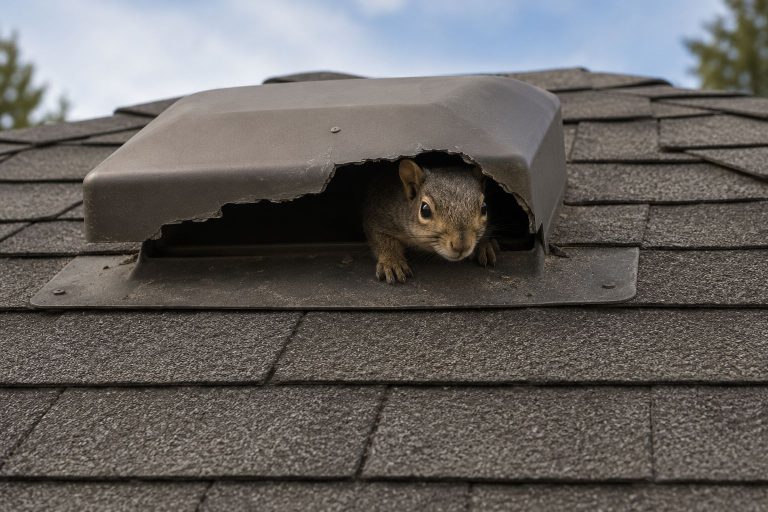
Common Entry Points Around Burlington Homes
Squirrels are excellent climbers and surprisingly strong for their size. Rather than digging underneath homes, they almost always enter from above. Common entry points include:
- Damaged soffits
- Roof vents
- Gable vents
- Roof intersections
- Fascia boards
- Chimneys
- Construction gaps beneath rooflines
Even openings that appear too small may be enlarged through chewing. Squirrels have powerful front teeth that continuously grow throughout their lives, allowing them to chew wood, aluminum, plastic, and other building materials.
Why Trapping Is Not Always the Best Solution
Many homeowners assume live trapping is the most humane option. While trapping may sometimes be appropriate under specific circumstances, it is not usually the preferred solution for attic squirrels.
Several problems can occur with trapping. First, there may be more than one squirrel inside the home. Another potential issue is trapping a mother squirrel during baby season can leave helpless young behind inside the attic. Squirrels may also return through the same opening after the trapped animal is removed. Without repairing the entry point, trapping often becomes a temporary solution rather than a permanent one.
The Humane One-Way Door Method
The most common professional squirrel removal method in Ontario is the use of a one-way exclusion door. This technique allows squirrels to leave the attic naturally but prevents them from getting back inside. After identifying every entry point, technicians install a specially designed one-way door over the active opening.
When the squirrel exits to search for food or water, it passes through the device normally. Upon returning, the design prevents it from re-entering the home. Once technicians confirm the attic is empty, the one-way door is removed and the opening is permanently sealed. This method avoids unnecessary stress while providing a lasting solution.
Special Care During Baby Season
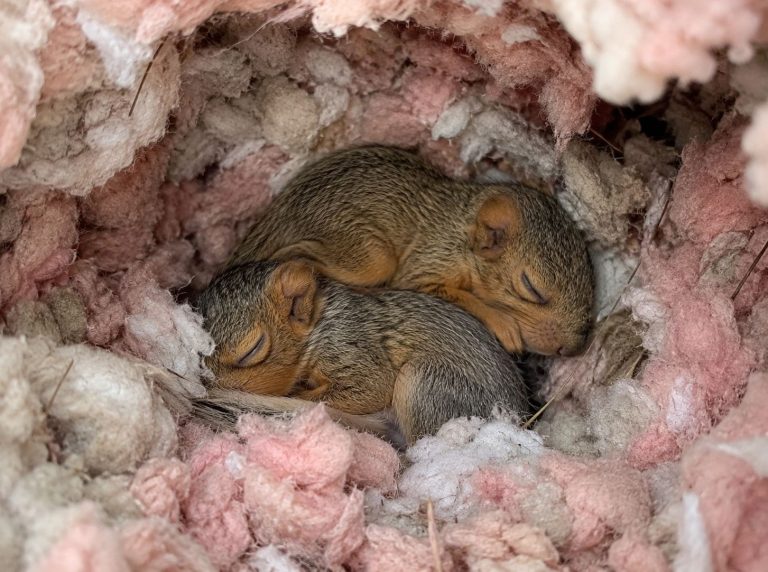
Baby season requires extra attention. Female squirrels typically have two litters each year. During these periods, simply installing a one-way door without checking for young squirrels could separate the mother from her babies.
Professional wildlife technicians first inspect the attic to determine whether babies are present. If young squirrels are found, they are carefully removed by hand and placed into a secure reunion box positioned near the original entry point. The mother squirrel naturally retrieves her babies and relocates them to an alternate nest site nearby. Once the family has safely left, technicians permanently seal the entry point. This process protects both the mother and her young while preventing future access.
Why DIY Squirrel Removal Can Be Risky
Many homeowners attempt to solve squirrel problems using loud noises, bright lights, predator sounds, or chemical repellents. These methods rarely solve an active attic infestation. Squirrels that have already established a nest usually ignore these disturbances.
Attempting to corner or handle a wild squirrel also creates unnecessary risks. A frightened squirrel may scratch or bite while attempting to escape. Homeowners can also fall while working on roofs or ladders when trying to locate entry points. Without professional equipment and experience, important openings are often missed, allowing squirrels to return shortly afterward.
Humane Removal Includes Permanent Prevention
Removing squirrels is only part of the job. Long-term success depends on preventing future entry. Professional wildlife exclusion typically includes repairing damaged building materials and reinforcing vulnerable areas.
Heavy-duty steel screening or wildlife-proof barriers are commonly installed over roof vents, soffits, gable vents, and other openings while maintaining proper airflow. This prevents squirrels from chewing their way back inside. Homes that receive proper exclusion work are far less likely to experience repeat infestations.
Damage Squirrels Can Cause
Many homeowners do not realize how destructive squirrels can become once inside an attic. Insulation is often shredded to build nests. Electrical wiring may be chewed, increasing the risk of electrical problems and potential fire hazards.
Stored belongings can be damaged by urine, droppings, and nesting material. Wood framing, ductwork, and ventilation systems may also suffer damage over time. The longer squirrels remain inside, the greater the repair costs often become.
Signs You Need Professional Squirrel Removal
Early detection can significantly reduce property damage. Several warning signs may indicate squirrels have moved into your home. Daytime scratching and running sounds above the ceiling are among the most common symptoms. Unlike raccoons, squirrels are active during daylight hours, especially shortly after sunrise and before sunset.
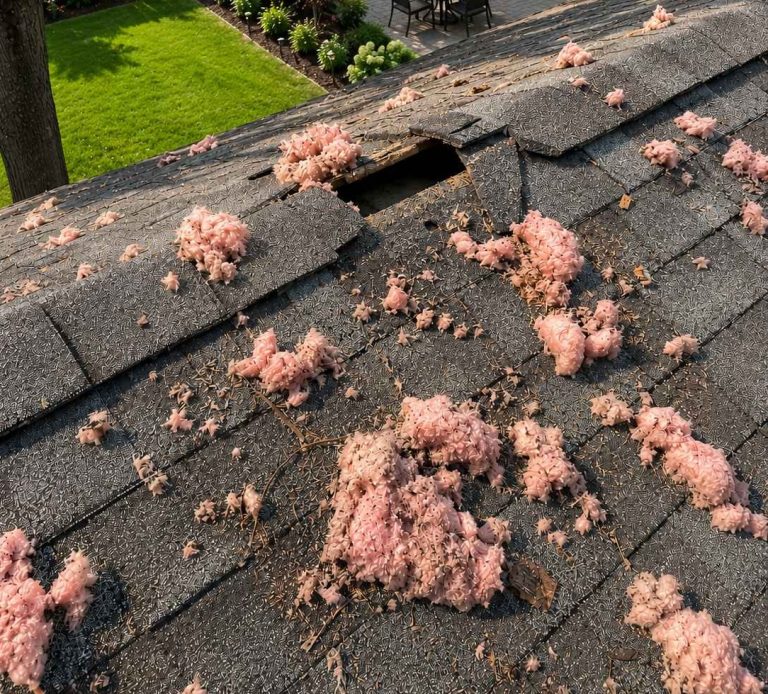
You may also notice squirrels repeatedly climbing onto your roof or disappearing beneath soffits. Chewed wood, damaged roof vents, insulation around the yard, or visible entry holes are additional indicators. Inside the attic, disturbed insulation, nesting material, droppings, and chewed wiring often confirm squirrel activity.
Why Burlington Homes Experience Frequent Squirrel Problems
Burlington contains many mature neighbourhoods with large trees growing close to homes. Tree branches provide easy access to rooftops, allowing squirrels to bypass many ground-level obstacles.
Combined with changing seasons and two annual nesting periods, these conditions make Burlington homes especially attractive to squirrels. Routine roof inspections and prompt repair of damaged exterior materials can greatly reduce the likelihood of an infestation.
Choosing a Humane Wildlife Removal Company
When hiring a professional wildlife removal company, homeowners should look for technicians experienced in humane exclusion methods rather than companies that rely primarily on trapping. A complete squirrel removal service should include:
- A thorough inspection of the home
- Identification of all entry points
- Safe removal of adult squirrels
- Special handling procedures during baby season
- Permanent repairs and exclusion work
- Recommendations to prevent future infestations
Addressing both the animals and the structural vulnerabilities provides the most effective long-term solution.
Protect Your Burlington Home with Professional Squirrel Removal
If you hear scratching in your attic, notice squirrels entering your roofline, or discover damage around your soffits or roof vents, acting quickly can prevent expensive repairs.
At Burlington Wildlife, we specialize in humane squirrel removal using proven exclusion methods that safely remove squirrels while protecting your home from future infestations. Our experienced technicians understand Ontario wildlife regulations, provide careful handling during baby season, and complete permanent wildlife-proof repairs to keep squirrels from returning.
Contact Burlington Wildlife to schedule an inspection with our team, and enjoy the peace of mind that comes with safe, humane, and effective wildlife removal.