
Squirrels may seem harmless when they are running through trees or across fences, but once they enter your attic, they can quickly become a serious problem. In Burlington, squirrel infestations are extremely common due to the abundance of mature trees, residential neighbourhoods, and accessible rooflines.
Homeowners often hear scratching, chewing, or running sounds coming from above the ceiling and assume the problem will go away on its own. Unfortunately, squirrels inside a home rarely leave without intervention. The longer they remain, the more damage they can cause.
Understanding how squirrel infestations happen, what signs to watch for, and how professional squirrel removal works can help you protect your home and avoid expensive repairs.
Why Squirrels Enter Homes in Burlington
Squirrels enter homes for one main reason: shelter. Attics provide warmth, protection from predators, and a safe place to raise babies. In Burlington, squirrels commonly gain access through:
- Roof vents
- Damaged soffits
- Gaps along the roofline
- Loose fascia boards
- Construction gaps near dormers or roof intersections
Because squirrels are excellent climbers, they often use nearby trees, hydro lines, or fences to access rooftops. Once on the roof, they search for weak spots where they can chew or squeeze their way inside. Unlike raccoons, squirrels are active during the daytime. This often makes their presence easier to notice.
Common Signs of Squirrels in the Attic
Squirrel infestations usually become noticeable quickly because squirrels are highly active animals. The most common sign is noise. Homeowners often hear rapid scratching, scurrying, or chewing sounds coming from the attic or walls. These sounds are usually most active in the early morning and late afternoon. Other signs include:
- Visible roof or soffit damage
- Insulation scattered around the attic
- Droppings in the attic space
- Strong odours from nesting materials
- Squirrels frequently seen entering or exiting the same area of the roof
If baby squirrels are present, homeowners may also hear softer chirping or squeaking noises. Ignoring these warning signs often leads to increased damage over time.
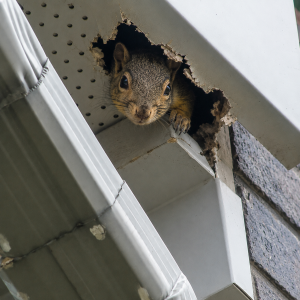
Damage Caused by Squirrels
Squirrels may be smaller than raccoons, but they are capable of causing significant damage to a home. One of the biggest concerns is chewing. Squirrels constantly chew to keep their teeth from overgrowing. This means they may gnaw on wood, plastic, roofing materials, and even electrical wiring. Chewed wiring creates a serious fire hazard. In many squirrel infestations, damaged wires are one of the most costly repairs.
Squirrels also damage insulation by tearing it apart for nesting material and creating pathways throughout the attic. Over time, this reduces energy efficiency and contaminates the attic space. Entry points themselves can become larger as squirrels continue chewing and expanding openings.
Squirrel Baby Season in Burlington
Squirrel problems become especially common during baby season. In Ontario, squirrels typically have two breeding seasons each year: one in late winter or early spring and another in late summer. Female squirrels actively search for sheltered nesting areas during these times. Attics are one of their preferred choices. When babies are present, removal becomes more delicate. Separating a mother from her babies can lead to ongoing noise, odours, and further damage as the mother attempts to get back inside. This is why professional squirrel removal must account for the entire family, not just the adult squirrel.
Why DIY Squirrel Removal Often Fails
Many homeowners attempt to remove squirrels on their own using traps, repellents, or by sealing entry points immediately. Unfortunately, these methods often create more problems. If the entry point is sealed while squirrels are still inside, they may panic and chew through other parts of the home trying to escape. This can lead to even more extensive damage.
Store-bought deterrents also tend to provide only temporary results. Squirrels quickly adapt to noise devices or scent repellents, especially if they already have babies inside the attic. Trapping without proper planning can also create legal and humane concerns under Ontario wildlife regulations. Professional removal focuses on solving the root of the problem instead of temporarily chasing squirrels away.
How Professional Squirrel Removal Works
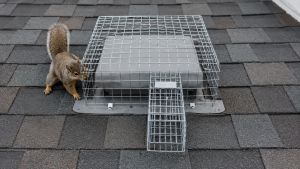
Professional squirrel removal begins with a full inspection of the property. Wildlife technicians identify how the squirrels are entering, where nesting areas are located, and whether babies are present. Once the entry points are located, a one-way door is commonly installed. This allows the squirrels to leave safely while preventing them from returning. If babies are present, they are carefully removed and placed in a secure reunion box outside the entry point so the mother can relocate them.
After the squirrels are out, the entry areas are sealed using durable wildlife-proof materials. This process ensures the squirrels are removed humanely while also preventing future infestations.
Why Exclusion Work Is So Important
Removing squirrels without sealing the home properly almost always leads to repeat infestations. Squirrels remember safe nesting locations and will often return to the same home repeatedly. If one opening remains vulnerable, another squirrel may move in shortly afterward. Professional exclusion work focuses on reinforcing the weak areas squirrels commonly target. This may include:
- Securing roof vents
- Reinforcing soffits
- Sealing roofline gaps
- Installing chimney caps
- Repairing damaged fascia boards
Long-term prevention is one of the most important parts of squirrel control.
Seasonal Squirrel Activity
Squirrels remain active year-round in Burlington, but there are certain times when homeowners are more likely to notice problems. Spring and fall are typically the busiest seasons for attic infestations. In spring, squirrels search for nesting areas before giving birth. In fall, they look for warm shelter before winter.
Winter infestations are also common because attics provide protection from freezing temperatures. Because squirrels do not hibernate, they can remain active in your attic throughout the year if the issue is not addressed.
Preventing Squirrels from Returning
Once squirrels are removed, homeowners should focus on prevention to avoid future problems. Trimming tree branches away from the roof can reduce easy access routes. Regular roof inspections also help identify vulnerable areas before squirrels take advantage of them. Maintaining soffits, vents, and fascia boards is especially important in Burlington homes surrounded by mature trees.
Food sources should also be minimized. Bird feeders, fallen nuts, and unsecured garbage can attract squirrels to the property. Even with preventative efforts, professional exclusion remains the most reliable way to stop recurring infestations.
Health and Safety Concerns
Squirrels can introduce several health and safety risks inside a home. Droppings and urine contaminate attic insulation and may affect indoor air quality. Parasites such as fleas and mites can also spread into the home. Chewed wiring creates one of the most serious hazards. Electrical damage caused by squirrels increases the risk of shorts and fires. The longer squirrels remain inside the attic, the greater these risks become. Acting quickly helps reduce both damage and cleanup costs.
Why Early Action Matters
Small squirrel problems often become much larger if ignored. A single squirrel entering the attic can eventually lead to a full nesting situation involving babies, widespread chewing damage, and contamination. Homeowners who act early typically experience less damage and a simpler removal process. If you hear noises in the attic or notice signs of roof damage, it is best to have the issue inspected before it worsens.
Book Squirrel Removal with Burlington Wildlife
Squirrels in the attic are more than just a nuisance. They can damage insulation, chew electrical wiring, and create long-term problems inside your home if they are not removed properly. Burlington Wildlife provides professional squirrel removal services designed to solve the problem completely. Our team performs detailed inspections, humane removal, and long-term exclusion work to keep squirrels from coming back.
Contact Burlington Wildlife to book your inspection and get expert squirrel removal in Burlington.