
Removing raccoons from your attic or roof is only part of the solution. One of the biggest concerns homeowners in Burlington have after a wildlife problem is whether the raccoons will return. Unfortunately, if the home is not properly protected, there is a very good chance they will.
Raccoons are intelligent, persistent animals with excellent memory. Once they find a safe and warm place to shelter, they often return repeatedly. In many cases, they will continue targeting the same weak spot until it is fully secured.
Preventing raccoons from coming back requires more than simply removing the animals. It involves identifying why they chose your home in the first place and taking steps to eliminate future opportunities.
Why Raccoons Return to the Same Homes
Raccoons are creatures of habit. If they successfully gained access to your attic once, they already know your home provides shelter and safety.
Even after removal, raccoons may revisit the property to check the same entry point. This is especially common if the original opening was only patched temporarily or not reinforced properly.
In Burlington neighbourhoods with mature trees and easy food sources, raccoons often travel the same routes repeatedly. A home that has been accessible before is far more likely to be targeted again. This is why prevention is one of the most important parts of wildlife control.
Seal Entry Points Properly
The most effective way to prevent raccoons from returning is by permanently sealing all entry points.
Common raccoon access areas include:
- Damaged soffits
- Roof vents
- Loose fascia boards
- Gaps along roof intersections
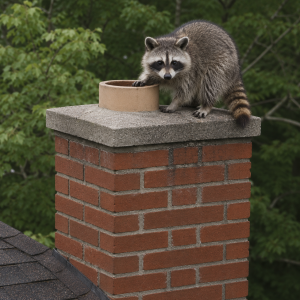
- Chimneys without caps
Raccoons are strong enough to tear through weak materials, so basic patch jobs are usually not enough. Entry points need to be reinforced with durable materials designed to withstand wildlife activity.
In many Burlington homes, soffits and roof vents are the most vulnerable areas. Once these are secured properly, the chances of re-entry drop significantly. Professional exclusion work focuses on strengthening these weak spots instead of simply covering them.
Repair Roof Damage Quickly
Even small areas of roof damage can attract raccoons. Loose shingles, rotting wood, and gaps around flashing create opportunities for wildlife to break in. Raccoons are constantly exploring rooftops and testing weak areas. If they find a section that feels unstable, they will often work at it until they create an opening.
Routine roof maintenance is one of the best long-term prevention strategies. Addressing minor damage early prevents it from turning into a wildlife issue later. After storms or heavy winter weather, it is a good idea to inspect your roofline for signs of wear.
Install Protective Covers on Roof Vents
Roof vents are one of the most common raccoon entry points in Burlington. Many standard vent covers are made of lightweight plastic or thin metal that raccoons can easily damage. Installing heavy-duty vent covers helps protect these vulnerable openings. Properly secured vent protection prevents raccoons from clawing or chewing their way into the attic.
This is especially important if you have already had a raccoon issue in the past. Wildlife often returns to familiar access points first. Professional-grade vent protection is designed to provide airflow while keeping animals out.
Secure Your Chimney
An uncapped chimney acts like an open doorway for raccoons. Female raccoons commonly use chimneys as nesting sites because they provide warmth and shelter similar to a hollow tree. Installing a secure chimney cap prevents raccoons from climbing inside while still allowing proper ventilation.
Chimney caps should be inspected periodically to ensure they remain securely attached, especially after strong winds or winter weather. This simple step can eliminate one of the most common wildlife entry points.
Trim Tree Branches Near the Roof
Raccoons are excellent climbers and often use tree branches to access rooftops. Branches hanging close to the home create an easy pathway to your attic and roofline. Trimming branches back several feet from the roof makes access more difficult and reduces the likelihood of raccoons exploring your home. This is particularly important in older Burlington neighbourhoods with mature trees near houses. While trimming trees will not stop every raccoon, it removes one of the easiest access routes.
Eliminate Outdoor Food Sources
Food is one of the main reasons raccoons stay close to residential areas. Even if your home is fully sealed, raccoons are more likely to linger nearby if food is readily available.
Common attractants include:
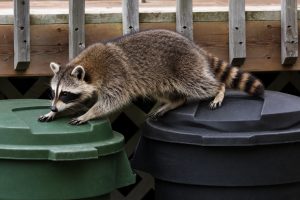
- Garbage bins
- Compost containers
- Outdoor pet food
- Bird seed
- Fallen fruit from trees
Using secure garbage bins with locking lids can help reduce raccoon activity around your property. Bringing pet food indoors at night and cleaning up food debris also makes your yard less attractive. Reducing food sources encourages raccoons to move elsewhere instead of repeatedly visiting your property.
Address Problems Early
One of the biggest mistakes homeowners make is ignoring early warning signs. Small noises in the attic, minor soffit damage, or occasional raccoon sightings on the roof are often dismissed at first. However, these are usually signs that raccoons are already investigating the property.
The earlier you address the issue, the easier it is to prevent a full infestation. Waiting until raccoons have entered the attic often leads to more extensive damage and more complicated removal work.
Why DIY Prevention Often Fails
Many homeowners attempt temporary fixes after removing raccoons. This may include covering a hole with basic materials or using deterrent products. Unfortunately, raccoons are persistent animals. Weak repairs are often torn apart within days. Scent deterrents and noise devices also tend to lose effectiveness quickly.
Effective prevention requires durable repairs and a complete inspection of the home. If even one vulnerable area is missed, raccoons may simply find another way in. Professional wildlife technicians understand the common entry points raccoons use and how to secure them properly.
The Importance of Full Home Inspections
Raccoons rarely use just one weak spot. Homes that have experienced wildlife issues often have multiple vulnerable areas along the roofline. A professional inspection identifies not only the active entry point but also other areas that may become future problems.
This is important because homeowners often focus only on the visible damage while overlooking nearby weaknesses. Comprehensive inspections help ensure your home is fully protected instead of temporarily patched.
Seasonal Prevention Matters
Raccoon activity changes throughout the year, and prevention efforts should reflect this. Spring and fall are the busiest seasons for raccoon intrusions in Burlington. Before these periods, it is a good idea to inspect your home for signs of damage or wear. Spring inspections are especially important because female raccoons begin searching for nesting areas before baby season starts. Fall inspections help protect your home before raccoons begin looking for warm winter shelter. Preventative maintenance during these key seasons greatly reduces the risk of future problems.
Long-Term Protection for Your Home
The best wildlife prevention plans focus on long-term protection rather than short-term fixes. A properly secured home not only prevents raccoons but also reduces the risk of squirrels, birds, and other wildlife entering your attic.
Investing in quality repairs and professional exclusion work can save homeowners significant money over time by avoiding repeated infestations and costly attic damage. When prevention is done correctly, raccoons usually move on to easier targets.
Book Raccoon Prevention Services with Burlington Wildlife
If you have dealt with raccoons before, taking preventative action now can help ensure they do not return. The key is identifying and securing the areas that attract wildlife before another infestation begins.
Burlington Wildlife provides professional raccoon removal and exclusion services designed to keep your home protected long-term. Our team performs detailed inspections, seals vulnerable entry points, and installs durable protection to stop raccoons from coming back.
Reach out to Burlington Wildlife to book your inspection and protect your home from future raccoon problems in Burlington..