
Raccoons are one of the most common wildlife issues homeowners face in Burlington. With a steady mix of residential neighbourhoods, mature trees, and easy access to food sources, raccoons thrive in this area year-round. While they may seem harmless at first, raccoons can cause serious damage to homes and create health concerns if they find their way inside.
Understanding how raccoons behave, how they get into homes, and what proper removal looks like can save you time, stress, and costly repairs. If you’re hearing noises in your attic or noticing signs of activity around your property, this guide will help you understand what’s happening and what steps to take.
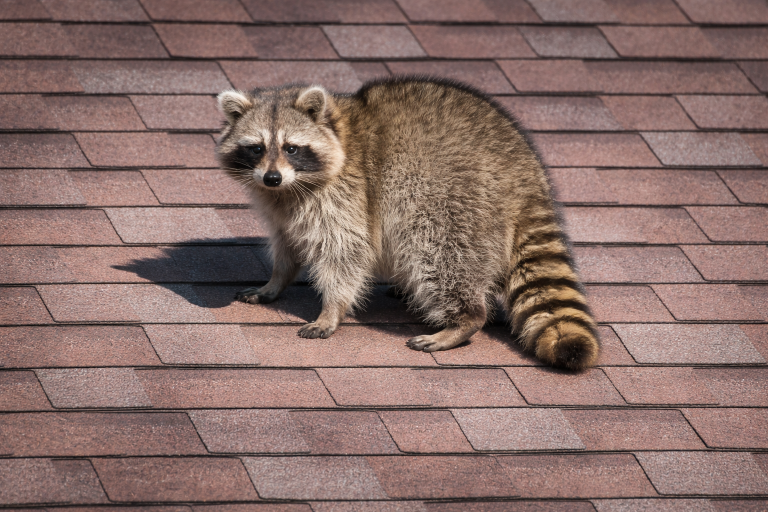
Why Raccoons Are a Common Problem in Burlington
Burlington offers the perfect environment for raccoons. Neighbourhoods with older homes, nearby green spaces, and accessible garbage sources make it easy for them to survive and reproduce. Unlike rural wildlife, raccoons have adapted extremely well to urban living.
They are intelligent, persistent, and surprisingly strong. A raccoon can tear through shingles, lift soffits, and widen small openings along your roofline to gain access to your attic. Once inside, they often treat the space as a safe nesting area, especially during colder months or breeding season.
Spring and early summer are particularly active times, as female raccoons search for warm, secure places to raise their young. This is when many homeowners first notice scratching, thumping, or movement overhead.
Signs of Raccoons in Your Home
Raccoons are not quiet animals. If one has made its way into your attic or walls, there are usually clear signs. Noises are often the first clue. Homeowners describe heavy footsteps, thumping, or dragging sounds, usually at night. Raccoons are nocturnal, so activity tends to increase after dark.
You may also notice damage around your home. Torn shingles, bent roof vents, or displaced soffits are common entry points. Outside, raccoons often leave behind tipped garbage bins or scattered debris as they search for food.
Inside the attic, the signs become more serious. Insulation may be flattened or torn apart. Raccoons often create designated areas for nesting and waste, which can lead to strong odours over time. If left unaddressed, the problem can quickly escalate, especially if babies are present.
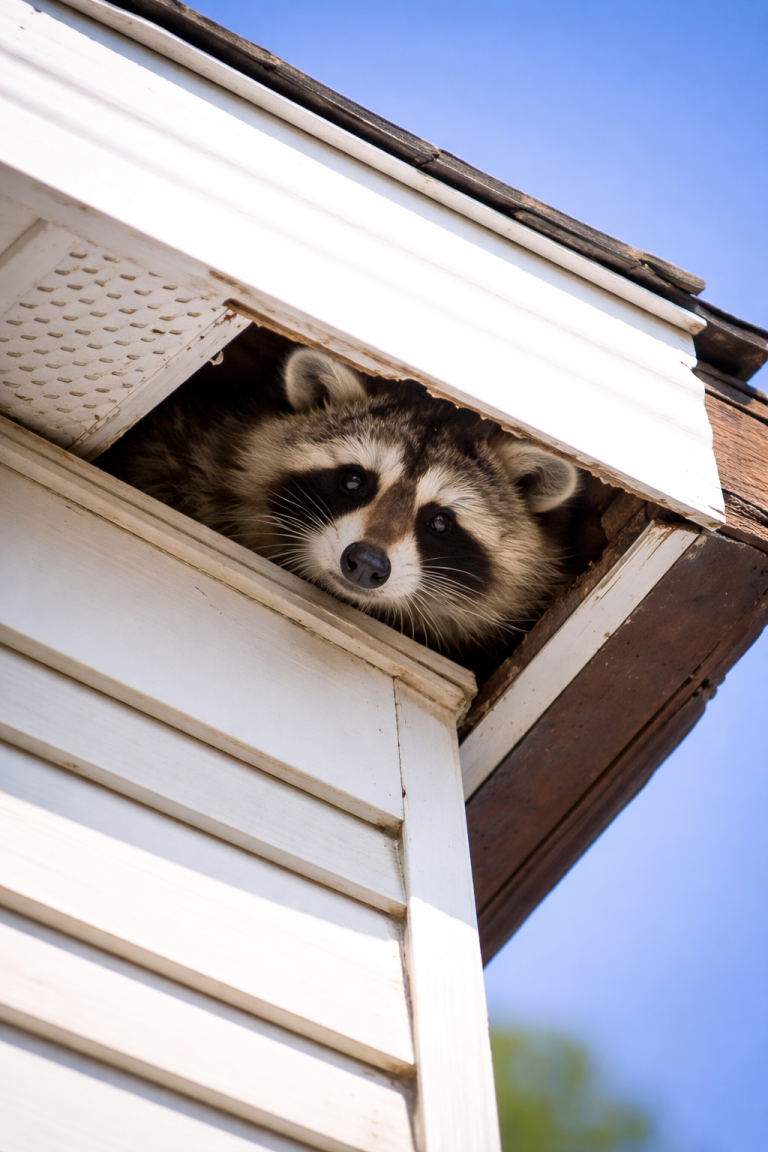
The Risks of Having Raccoons in Your Attic
A raccoon infestation is more than just an inconvenience. These animals can cause extensive structural damage and pose health risks to everyone in the home.
One of the biggest concerns is contamination. Raccoons leave behind droppings and urine, which can soak into insulation and wood. Over time, this creates unpleasant odours and can contribute to poor air quality inside the home.
There is also a risk of parasites. Fleas, ticks, and mites are commonly associated with raccoons and can spread into living spaces. In some cases, raccoons may carry diseases such as rabies or roundworm, which can be harmful if proper precautions are not taken.
Electrical damage is another serious issue. Raccoons have been known to chew on wires, increasing the risk of fire hazards.
The longer raccoons remain in your attic, the more damage they can cause. Acting quickly is key to minimizing repair costs and restoring your home.
How Raccoons Get Into Burlington Homes
Raccoons are excellent climbers and problem solvers. They often access homes by climbing downspouts, trees, or nearby structures to reach the roof.
Once there, they look for weak points. Common entry areas include roof vents, soffits, fascia boards, and intersections where different rooflines meet. Even a small gap can be enough for a raccoon to begin pulling materials apart.
Homes that have not been updated or inspected in several years are especially vulnerable. Weather wear, loose materials, and previous repairs can all create opportunities for wildlife to get inside.
Many homeowners are surprised at how quickly a raccoon can break in. In some cases, it takes only one night.
Why DIY Raccoon Removal Often Fails
It’s understandable that some homeowners consider handling raccoon removal on their own. However, this approach rarely solves the problem and can sometimes make it worse.
Raccoons are protective of their nesting areas, especially when babies are involved. Attempting to remove or scare them away can lead to aggressive behaviour. Blocking an entry point without addressing the animals inside can trap them, resulting in damage or unpleasant odours.
There are also legal considerations in Ontario. Wildlife must be handled humanely, and certain removal methods are not permitted. Improper handling can lead to fines or unintended harm to the animals.
Without a full inspection and proper exclusion work, raccoons often return. Temporary fixes do not address the root of the problem.
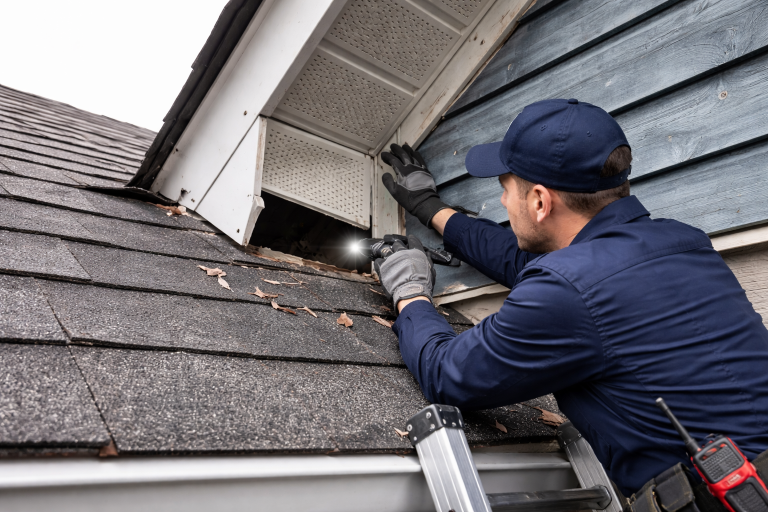
How Professional Raccoon Removal Works
Professional raccoon removal focuses on solving the issue completely, not just removing the animal. The process typically starts with a detailed inspection. A technician identifies entry points, assesses damage, and determines whether babies are present. This step is critical for developing the right removal strategy.
If young raccoons are involved, they must be handled carefully. Humane removal methods ensure that the mother and babies are safely reunited and relocated in accordance with local guidelines.
Once the animals are out, the next step is exclusion. This involves sealing all entry points with durable materials designed to withstand future attempts. Areas like roof vents and soffits are reinforced to prevent re-entry. In many cases, additional work may be recommended, such as attic cleanup or insulation replacement, depending on the level of contamination. The goal is not just to remove the raccoons, but to make sure they cannot come back.
Preventing Raccoons from Returning
After removal, prevention becomes the most important step. Burlington homeowners can reduce the risk of future infestations by addressing common attractants and vulnerabilities.
Garbage should always be secured in tightly sealed bins. Pet food and bird seed should not be left outside overnight. These food sources can quickly attract wildlife.
Regular home maintenance also plays a major role. Checking your roofline, vents, and soffits for damage can help catch potential entry points early. Trimming tree branches away from the roof can limit access.
Professional wildlife proofing offers the most reliable protection. Reinforced materials and proper installation make it much harder for raccoons to gain entry again.
When to Call for Raccoon Removal in Burlington
If you suspect raccoons in your attic or notice signs of activity around your home, it’s best to act quickly. Waiting often leads to increased damage and more complicated removal. Even if you’re unsure, an inspection can provide clarity and help you avoid bigger issues down the line.
Common situations where professional help is needed include:
- Noises in the attic, especially at night
- Visible roof or soffit damage
- Strong odours coming from the attic
- Repeated garbage disturbances
- Sightings of raccoons entering or exiting your roof
Trusted Raccoon Removal in Burlington
Raccoons are a persistent problem in Burlington, but with the right approach, they can be removed safely and effectively. Professional removal ensures that the animals are handled humanely, your home is protected, and future issues are prevented.
If you’re dealing with raccoons or think you might have an issue, Burlington Wildlife is here to help. Our team provides thorough inspections, humane removal, and long-term exclusion solutions tailored to your home. We understand the urgency of wildlife problems and work quickly to restore your peace of mind.
Contact Burlington Wildlife today to book your inspection and take the first step toward a raccoon-free home.