
Raccoons are one of the most common wildlife problems homeowners face in Burlington. With easy access to food, shelter, and warm attic spaces, these animals regularly find their way into residential homes. Many homeowners do not realize they have a raccoon issue until damage has already begun.
Recognizing the early signs of raccoons in your attic can make a major difference in how quickly the problem is resolved and how much damage occurs. If you live in Burlington and suspect something may be moving around above your ceiling, understanding what to look for is the first step toward protecting your home.
Why Raccoons Choose Attics in Burlington Homes
Attics provide everything a raccoon is looking for. They are warm, quiet, and safe from predators. In Burlington, where seasonal temperatures shift dramatically, raccoons often seek indoor shelter during colder months and during breeding season.
Female raccoons are especially drawn to attics in late winter and spring when they are preparing to have babies. A dark, insulated attic offers an ideal nesting environment where they can raise their young undisturbed.
Urban areas like Burlington also provide easy food sources. Garbage bins, compost, and pet food left outdoors attract raccoons, bringing them closer to homes. Once they are on your property, it is only a matter of time before they begin exploring your roof for entry points.
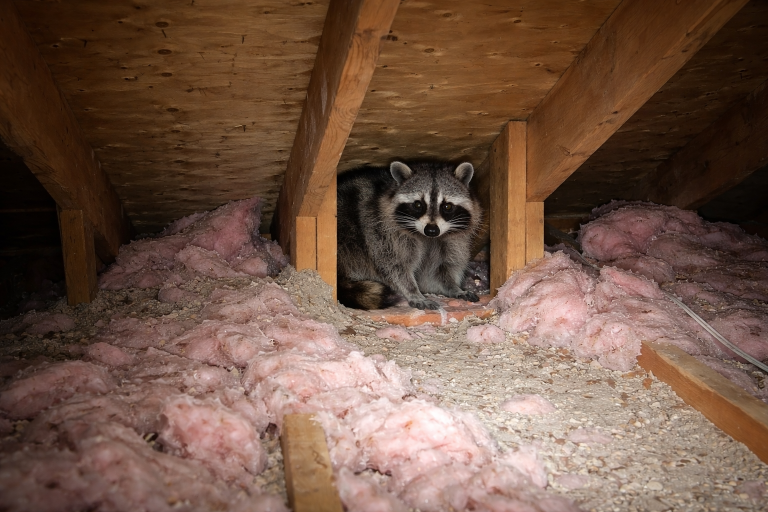
Noises Coming From the Attic
One of the most common and noticeable signs of raccoons is noise. Unlike smaller pests, raccoons are heavy animals, and their movements are often loud and distinct.
Homeowners often describe hearing thumping, stomping, or dragging sounds above their ceiling. These noises tend to be more active at night, as raccoons are nocturnal. However, if babies are present, you may hear activity during the day as well.
Scratching and movement near the same area each night is usually a strong indicator that an animal has established a nesting spot rather than just passing through.
Visible Roof or Soffit Damage
Raccoons do not enter homes through existing openings alone. They are capable of creating their own entry points by tearing into vulnerable areas of your roofline.
In Burlington homes, common access points include roof vents, soffits, fascia boards, and areas where shingles meet. You may notice sections that look bent, lifted, or broken. Sometimes the damage is subtle from the ground but becomes more obvious upon closer inspection.
Shingle damage near the edge of the roof or gaps in soffit panels are strong indicators that something has forced its way inside. Once raccoons find a weak point, they often return to the same spot repeatedly.
Disturbed Insulation in the Attic
If you have access to your attic, the condition of the insulation can reveal a lot about what is happening.
Raccoons tend to flatten insulation as they move through the space. They also create nesting areas by pushing insulation aside or piling it up. These areas often look noticeably different from the rest of the attic.
In some cases, the insulation may appear torn or compacted in specific sections. This type of disturbance is not typical of smaller pests and often points to a larger animal like a raccoon.
Strong Odours and Contamination
A raccoon infestation often brings noticeable smells. As raccoons live in your attic, they leave behind urine and droppings that accumulate over time.
This can create a strong, musty odour that may begin to seep into your living space. The smell is often more noticeable in warmer weather or when your HVAC system is running.
Beyond the smell, contamination is a serious concern. Raccoon waste can carry bacteria and parasites that affect air quality and pose health risks. The longer the animals remain in your attic, the worse the contamination becomes.
Sightings Around Your Property
Sometimes the clearest sign of a raccoon problem comes from direct sightings. If you regularly see raccoons on your roof, near your soffits, or climbing around your home, there is a strong chance they are trying to get inside or already have.
You may notice raccoons traveling the same path repeatedly, especially at night. They often use trees, fences, or downspouts to access the roof.
Even if you only see them occasionally, repeated sightings in the same area should not be ignored. It often means your home has become a target.
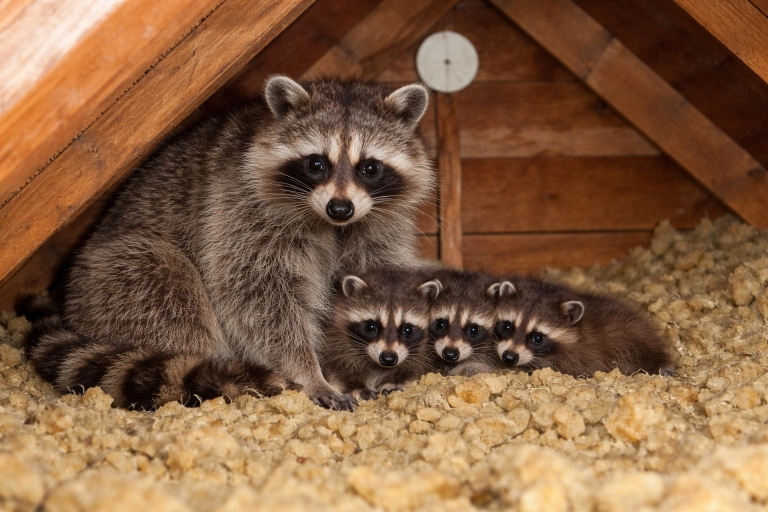
Baby Raccoons in the Attic
During spring and early summer, many raccoon calls in Burlington involve baby raccoons. If a female has nested in your attic, you may begin to hear softer noises such as chirping, whining, or squeaking.
These sounds are usually different from the heavier movement of adult raccoons. They tend to be more constant and may occur during the day as well.
This stage is particularly important because removal must be handled carefully. Separating babies from the mother can create additional problems, including damage and ongoing attempts by the mother to re-enter the home.
Why You Should Act Quickly
Raccoons are not passive occupants. Once inside, they continue to expand their space, causing more damage over time.
They may widen entry points, tear apart insulation, and even damage wood structures. In some cases, they chew on wiring, increasing the risk of electrical hazards.
The longer raccoons remain in your attic, the more difficult and expensive the problem becomes. Early detection allows for faster removal and reduces the need for extensive repairs.
The Importance of Professional Raccoon Removal
Handling a raccoon problem properly requires more than simply removing the animal. It involves identifying how it got in, ensuring all animals are safely removed, and securing the home to prevent future entry.
In Ontario, wildlife removal must be done humanely and in accordance with local regulations. This is especially important when babies are involved.
Professional wildlife technicians understand raccoon behaviour and know how to remove them safely. They also reinforce vulnerable areas of the home to stop the problem from happening again.
Without proper exclusion work, raccoons often return to the same location.
Protecting Your Burlington Home
Preventing raccoons starts with maintaining your home and reducing attractants. Keeping garbage secured, trimming branches away from the roof, and addressing minor damage early can make a significant difference.
However, once raccoons have entered your attic, prevention alone is no longer enough. The issue needs to be handled thoroughly to restore your home and eliminate the risk of recurrence.
Book Raccoon Removal with Burlington Wildlife
If you are hearing noises in your attic or noticing signs of raccoon activity, it is important to take action right away. What may seem like a small issue can quickly turn into major damage if left untreated.
Burlington Wildlife provides professional raccoon removal services designed to solve the problem completely. From detailed inspections to humane removal and long-term exclusion, our team ensures your home is protected at every step.
Contact Burlington Wildlife today to book your inspection and get expert help with raccoons in your attic.